



Our schools can’t afford to lose this City Hall rideshare debate. We’ve seen these tactics before, where billionaires use their vast resources to protect themselves at the expense of the schoolchildren of this city.
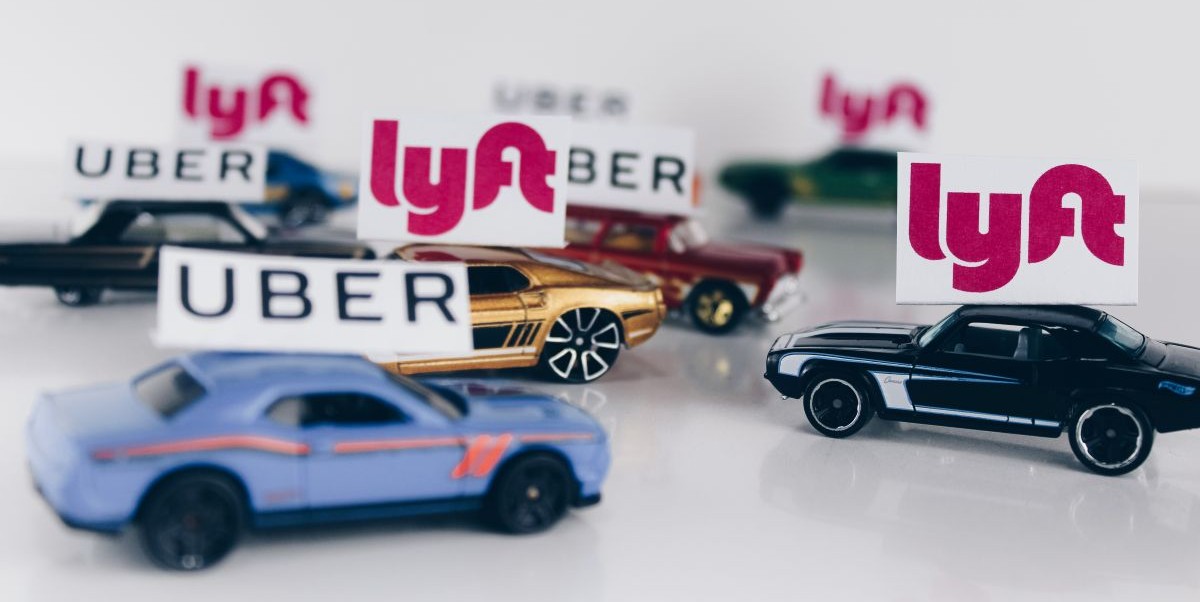
Philadelphia is in the throes of a tech company-led budget war. Uber and Lyft are spending in the six figures on lobbyists and exploiting their unfettered social media access to tens of thousands of Philadelphia rideshare customers.
First, they tell riders that the price of every ride will rise by $1. Then, they go to elected officials to say their customers are too poor to afford the jump in price. They know full well that this is a tax that will be imposed on the rideshare companies. The choice to pass it on to customers is a corporate decision driven by the craven need to drive their swell profits higher, the same way they do when it rains or after big sports events and passengers are charged more. Simply put, affordability has never been a selling point nor a mission for these companies that are expected to earn $1 billion off of Philadelphia riders this year alone.
We need everyone to rally behind the Council members who reject the bots and the B.S. and demonstrate the political courage to vote for kids.
Meanwhile, the public schools that educate 198,000 Philadelphia children are about to lose 340 positions, consisting of teachers, counselors, and climate staff. These are the very staff, hired with federal funds, that boosted the District’s attendance and graduation rates, and drove up standardized test scores (for grades 3 through 8) in math. [Editor’s note: Standardized PSSA reading scores, however, dropped 1.2 percent.] City Council agrees: The proposed fee on rideshare companies will generate $50 million annually and permit the School District to completely avoid these cuts, help stabilize schools, and ensure progress continues. It’s worth it.
As Council debates this tax, we already know what will follow. A familiar playbook will unfold with dire warnings of economic harm, claims of unfair burden, and predictions of crisis for riders. The messaging will be polished and well-funded — the political donations will be hard to resist. And the goal will be clear — shift attention away from students and toward protecting corporate profits.
We’ve seen this before.
In 2016, the soda industry spent over $10 million trying to block Philadelphia’s sweetened beverage tax, outspending supporters five to one. They lost. The tax passed, survived legal challenges, and ultimately became a sustained source of funding for the Philadelphia pre-k program (as filtered through the City’s general fund) that serves 5,300 children and families across the city every year, as well as covering the cost of modernizing dozens of recreation centers, libraries and parks. Last year, the tax generated $68.2 million, $52.5 million of which was spent on pre-K, according to a School District fact sheet. Our kids won.
The choice to pass the cost on to customers is a corporate decision driven by the craven need to drive their swell profits higher, the same way they do when it rains or after big sports events.
As multibillion-dollar global tech companies try to make their case against this proposal, it will be us, the child advocates, who must do the steady work of explaining why it matters. We don’t have millions to spend on messaging campaigns. But we do have facts — and we show up, week after week, not when it’s convenient or profitable, but because the stakes are real.
I am a huge fan of taxing wealthy individuals and companies more than modest and low-income earners. And the time is ripe for an amendment to the state constitution to permit that approach to taxation. (Doing so is not radical; in fact, most states already have graduated tax systems in place.) And, of course, the state must more rapidly meet its constitutional mandate to appropriately fund the schools; the District is $1.4 billion underfunded according to the state’s own formula. Fortunately, Harrisburg is making some progress, incrementally yet far too slowly.
So, here’s the bottom line.
Children First supports the tax on rideshare companies. We urge City Council to pass it — quickly. Why? Because the fight to generate new revenue for schools locally is incredibly urgent, and, in the social media era, we need everyone to rally behind the Council members who reject the bots and the B.S. and demonstrate the political courage to vote for kids.
We are driving this cause hard because our kids are worth it.
Donna Cooper recently retired as the Executive Director of Children First, a Philadelphia-based child advocacy organization. She previously served as Secretary of Policy and Planning in Governor Rendell’s Administration, and as the City of Philadelphia’s Deputy Mayor of Policy and Planning under then-Mayor Rendell.
The Citizen welcomes guest commentary from community members who represent that it is their own work and their own opinion based on true facts that they know firsthand.
 MORE ON PHILLY TAXES