



For 24 years as a federal prosecutor, I led large-scale investigations and prosecutions involving sophisticated fraud schemes and public corruption. Later, as Philadelphia’s Inspector General, I focused on preventing fraud, corruption, and waste on behalf of the city’s taxpayers. I know firsthand how sophisticated criminal networks and corrupt actors exploit legal and regulatory blind spots. More importantly, I’ve learned that a culture of integrity cannot survive when special interests are given a free pass.
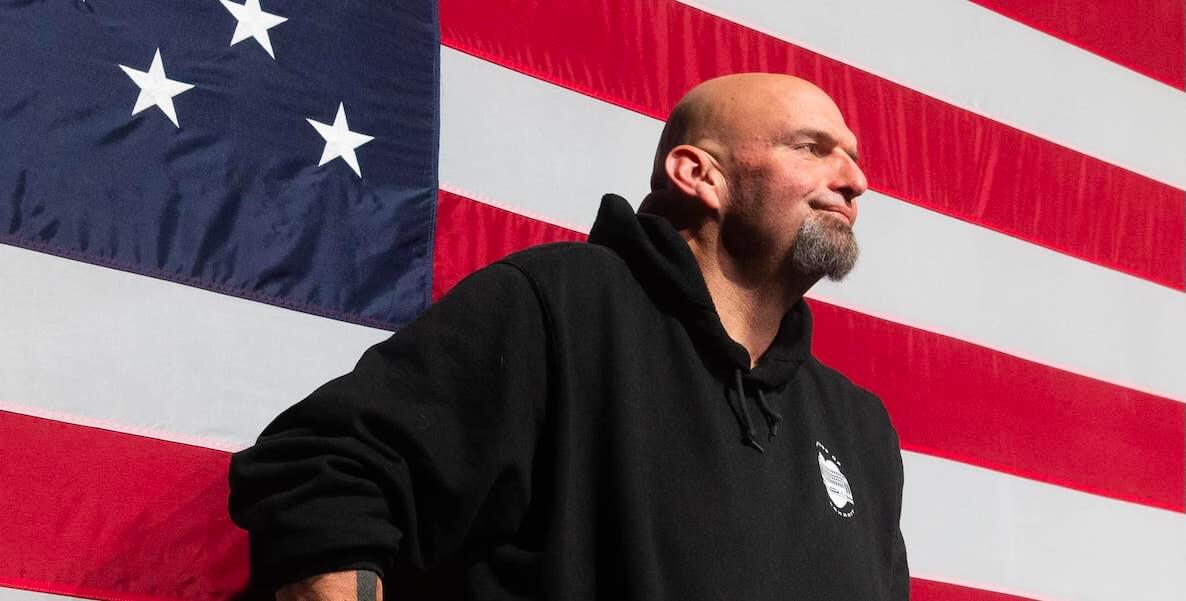
The CLARITY Act, which is moving through the United States senate and would regulate the entire cryptocurrency industry, threatens to dismantle our financial defenses and codify an unprecedented culture of public corruption. When this bill comes to the floor for a vote, Pennsylvania needs our Senator John Fetterman to hold the line, resist aggressive industry lobbying, and vote no on this deeply compromised bill.
The CLARITY Act, which was voted out of the Banking Committee in part thanks to Republican PA Senator Dave McCormick, fails outright to hold the cryptocurrency industry to the same rigorous anti-money laundering (AML) standards that traditional banks have followed for decades. These Bank Secrecy Act (BSA) requirements are vital investigative tools that law enforcement relies on to trace illicit funds and stop criminal syndicates.
Yet, the CLARITY Act relies on weak studies and voluntary pilot programs rather than hard, enforceable legal compliance. By creating an uneven playing field, this legislation poses a direct threat to the safety and structure of our traditional banking system. It allows high-risk digital asset firms to circumvent baseline banking regulations while siphoning critical consumer deposits.
Senator Fetterman has built his reputation on standing up for the working-class families of Pennsylvania and against big-monied special interests.
Distinguished law enforcement organizations across the country are standing up in overwhelming, unified opposition to this bill, including the International Association of Chiefs of Police, the National Sheriffs’ Association, and the National District Attorneys Association (NDAA). The NDAA is explicitly warning that the bill expressly prohibits appropriate registration and compliance requirements for the exact entities most inextricably involved in the illicit crypto ecosystem. By failing to mandate AML compliance for decentralized finance (DeFi) platforms, exchanges, and custodians, the bill carves out a legal safe haven for drug cartels laundering fentanyl proceeds, cyber-ransomware rings, and international sanctions evaders.
The CLARITY Act has a second critical flaw: its complete lack of anti-corruption guardrails and ethics rules for public officials. The Act allows for self-dealing by elected and appointed public officials to high office and their families in its regulatory vacuum. Public officials and their families, under the CLARITY Act, could legally build an unvetted crypto fortune.
Senators must not accept cryptocurrency legislation that falls short of completely prohibiting all elected and appointed public officials to high office and their families from promoting, issuing, or sponsoring crypto products and services, directly or indirectly. Partisan compromises that ban politicians but leave their family members free to profit from the industry fail the test and leave the back door wide open to corruption.
Senator Fetterman has built his reputation on standing up for the working-class families of Pennsylvania and against big-monied special interests. I respectfully urge him to stand firm against this dangerous special interest giveaway and vote no on the CLARITY Act unless and until full banking standards and gold standard ethics provisions are explicitly written into the bill.
Amy Kurland served as an Assistant US Attorney for 24 years and as the Inspector General for the City of Philadelphia from 2008 to 2020 and currently is Co-Chair of Rohn Kurland P.C.
The Citizen welcomes guest commentary from community members who represent that it is their own work and their own opinion based on true facts that they know firsthand.
 MORE ON EFFORTS TO STOP CORRUPTION