

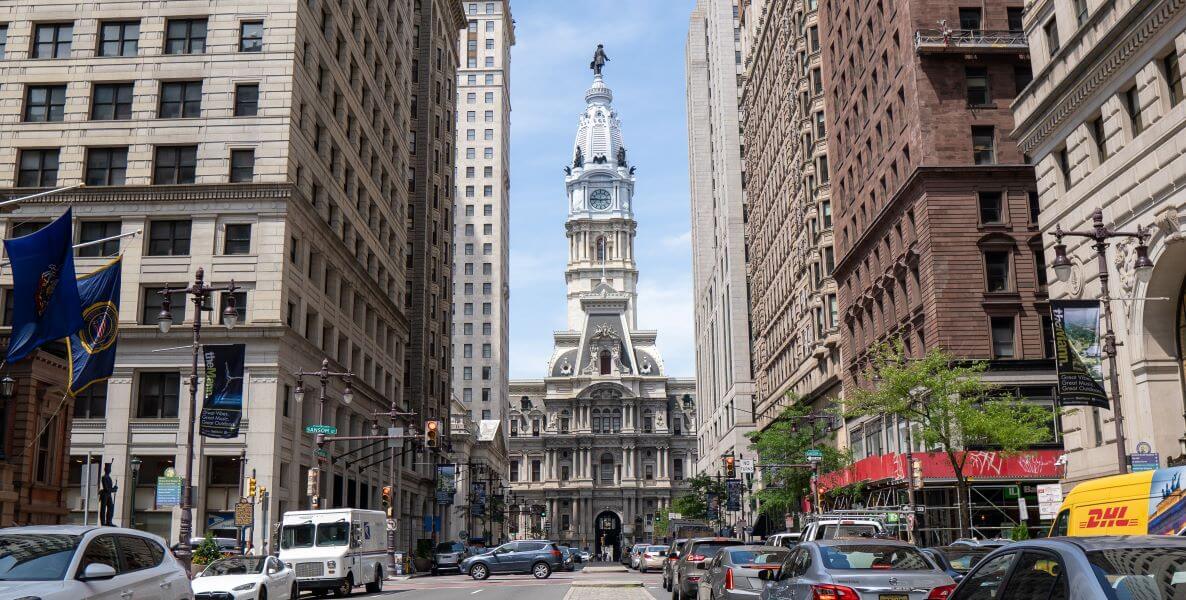


Philadelphia relies on the nonprofit sector to deliver vital services, and those organizations are at a pivotal moment.
The Nonprofit Leaders Group (NPLG) began convening over a year ago after the current federal administration started rolling out executive orders aimed at the nonprofit sector. What started as a small group has now grown to nearly 200 leaders in our region. Our biweekly calls share information, elevate challenges, and identify solutions in an evolving funding and policy landscape for the sector.
One message is clear from this collaboration: While the nonprofit sector is strong, committed, and essential, it is under significant ongoing strain not just because of federal mandates, but also at the local level, due to challenges in the way contracts are executed and paid.
A recent study from The Pew Charitable Trusts confirms what nonprofit leaders have long experienced: The City’s contracting system is not working as it should. According to Pew’s analysis, 90 percent of City contracts over the past five years were finalized after their start date — often requiring organizations to work for months without being paid.
That reality places an enormous strain on nonprofits, especially those providing critical, frontline services. Organizations are often forced to front costs — covering payroll, rent, and program expenses — while waiting months for reimbursement. For nonprofits, these delays can threaten their future and financial stability. We have read about multiple closures of long-standing institutions and agencies furloughing or laying off staff to manage the fiscal impacts.
On behalf of the NPLG, we applaud Mayor Cherelle L. Parker’s administration for the important steps already taken to address these longstanding challenges. The Mayor and her team have committed to addressing long-standing issues that have impacted nonprofits for decades. More importantly, the Mayor’s Chief Administrative Office has created a collaboration with the nonprofit sector to address these long-standing issues. The City’s partnership with Pew, efforts to reduce delays, and work to clear a backlog of contracts signal meaningful progress.
90 percent of City contracts over the past five years were finalized after their start date — often requiring organizations to work for months without being paid.
Continuing this momentum is critical, both for service delivery and for the economy. Nonprofits comprise approximately 30 percent of the city’s workforce, making it one of the largest nonprofit employment bases in the country. From workforce development and education to food security, housing, and behavioral health, nonprofits deliver essential services that support the City’s most vulnerable residents and advance shared priorities for a safer, cleaner, and more equitable city.
Simply put: nonprofits are an extension of government. Yet we are asked to operate without the financial stability needed to sustain that work.
A key step forward would be for the City to mandate a standard 15 percent de minimis indirect cost — or organizational overhead — rate across City contracts, in alignment with federal guidelines. This is a practical, budget-neutral change that reflects the true cost of delivering services.
No organization can operate effectively without covering basic administrative expenses like technology, compliance, human resources, and facilities. Establishing a consistent 15 percent minimum indirect cost rate would align Philadelphia with federal standards, promote equity across providers, reduce administrative complexity, strengthen public-private partnerships, and support consistent services for residents.
As Philadelphia prepares for the FY2027 contracting cycle, we must seize the momentum the Mayor and the Chief Administrative Office have provided to develop a more effective and equitable system — one that not only improves contract timing but ensures nonprofits are adequately resourced to deliver on the City’s behalf.
The Mayor’s leadership and Pew’s analysis have brought us to a shared understanding of the problem. We support the recommendations outlined in the report and look forward to working with the City to strengthen the process.
By strengthening this partnership, we strengthen Philadelphia.
Cynthia Figueroa is president and CEO of JEVS Human Services and founder of the Nonprofit Leaders Group.
The Citizen welcomes guest commentary from community members who represent that it is their own work and their own opinion based on true facts that they know firsthand.
 NONPROFITS DOING THE WORK IN PHILLY