


The Philadelphia 76ers and Flyers recently shared first some renderings of their proposed new stadium in South Philadelphia.
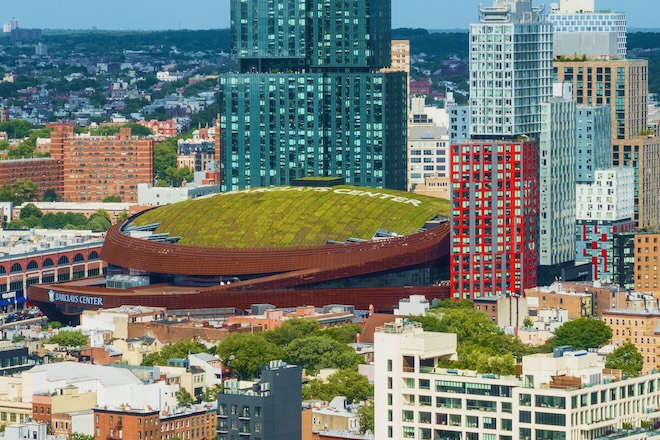
When I saw the design, it made me think of the Barclays Center in downtown Brooklyn. (The new South Philly stadium is supposed to remind people of Philadelphia’s old Spectrum, but since I’m a native New Yorker, that’s what happened.)
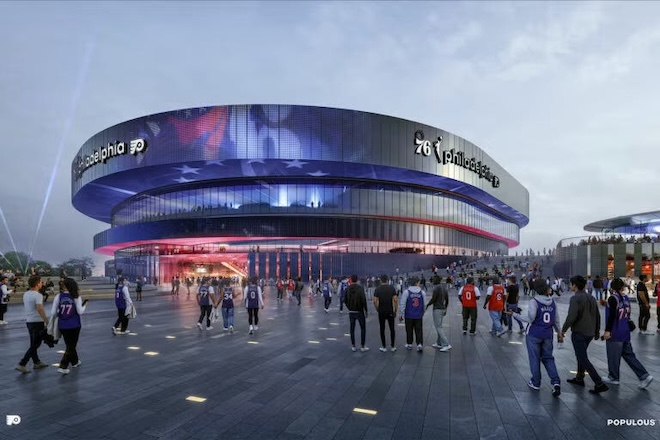
But the Barclays Center is a product of its time — 2004 design, 2012 construction — and has a green roof on top. This new stadium does not. It prompted a thought I’ve occasionally had: I think we’re done with green roofs. You rarely ever see them as part of new designs anymore.
I asked Lloyd Alter, the author of Living the 1.5 degree Lifestyle and The Story of Upfront Carbon: Are green roofs over?
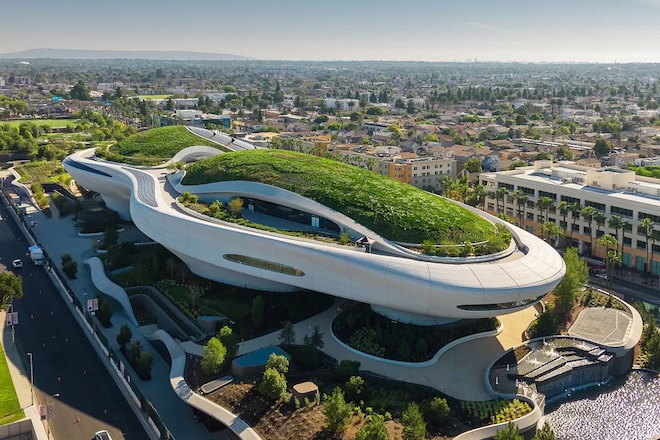
Lloyd Alter: To paraphrase Mark Twain, the reports of their deaths have been greatly exaggerated. For example, the new Lucas Museum of Narrative Art by Ma Yansong is covered in one.
However, they certainly are not all the rage like they used to be. The Barclays Center is an extreme example of the problem: They built a massive truss over the existing building and covered it with an extensive (light weight) sedum green roof, to help market the apartments looking over it (the white roof was really ugly) and muffle sound from the area. I wrote at the time (when we were just learning about embodied energy, later to be known as embodied carbon)
They are essentially building a bridge to hold up a “flocked” pattern of sedum trays. The carbon footprint and embodied energy of so much steel far outweighs the environmental benefits of any green roof, let alone this one. The whole thing, from start to finish is a multimillion dollar environmental negative.
Diana Lind: One of the big reasons I think green roofs were so popular 15 years ago is that there were once strict EPA regulations and lawsuits against cities to address stormwater runoff in the early 2000s. That concern over what happens to rainwater and how to address outdated sewer systems encouraged public and private development to include green roofs. Those regulations are now gone and so there’s no regulatory incentive anymore.
I also wonder if green roofs were once more fashionable as a physical symbol of a commitment to sustainability. The need or desire to prove how green you are has declined a lot over the past decade. Do you think that companies and governments no longer need to demonstrate their eco cred?
Lloyd Alter: Green roofs were seen as ways to reduce heat island effects and provide bird and bee habitats, and as an employee benefit on a corporate campus. But one of the main uses of them was for greenwashing during the approval stage.
One never used to see renderings of buildings from above, because all you would see was a roof and mechanical equipment. But once green roofs were possible, you could sell an obnoxious building by putting a green roof on it and doing the rendering from above, so you could barely see the building.
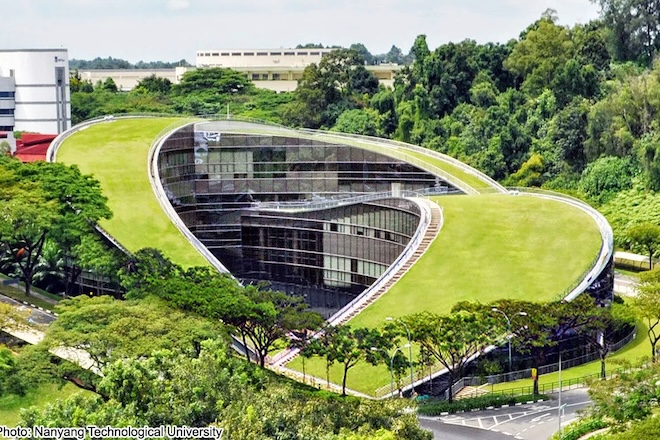
One of the first and most egregious examples of this was in Singapore, where Kenzo Tange designed the master plan of the Nayang Technological University campus with a park in the middle that was the “green lung” of the campus.
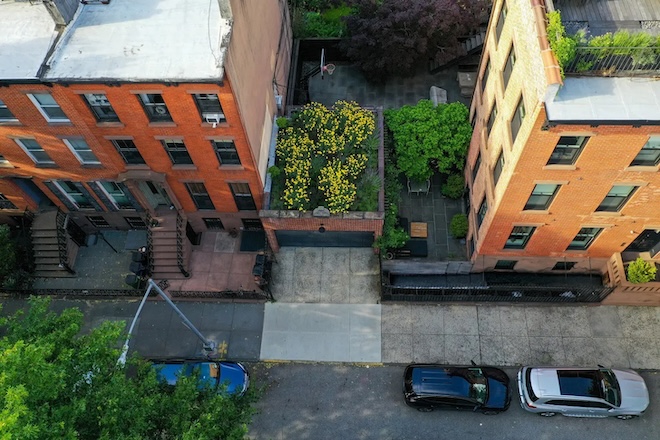
Diana Lind: Maybe the future of green roofs is in residential properties. I just read a piece in The New York Times this past weekend showing a homeowner that built a green roof on her garage mostly for the aesthetic value.
The small green roof might be the appropriate scale for a personal commitment to sustainability or enjoyment of green space. As companies and governments focus on addressing climate change, they are looking at a much, much bigger scale than, say, 10,000 square feet of green roof. For example, how many green roofs would match the environmental impact of data centers? When you think on that scale, you realize how inadequate a solution green roofs are.
Lloyd Alter: I believe the future is food.
The roof of the building where I taught last year has a rooftop farm which feeds the students downstairs. As the climate crisis worsens, we have to shorten our food chain. We could turn the roofs of our buildings into allotment gardens or larger commercial farms. In World War II, parks and yards were turned into victory gardens; in the climate war, we could build victory roofs.
Diana Lind: I love this notion, although a produce-growing rooftop over the new stadium might not be feasible.
After all, in Center City, the Four Seasons (now the Logan), Hotel Palomar and Hotel Sofitel all once had rooftop farms and have since given up on them. Cloud9, a celebrated Philadelphia nonprofit that developed urban rooftop farms, has merged with another urban agriculture nonprofit — and no longer focuses on rooftop gardening.
Instead, the designers of the Spectrum 2.0 might want to consider adding solar panels to the facility’s rooftop and expanding the ground-level rain gardens that can absorb stormwater around the building. Such efforts — as we saw when these designers quickly edited the rendering so that it didn’t include only men walking into the updated facility — are easy to do in a drawing.
Committing to building and sustaining environmentally responsible facilities that endure IRL is an entirely different matter.
Diana Lind is a writer and urban policy specialist. This article was also published as part of her Substack newsletter, The New Urban Order. Sign up for the newsletter here.
 MORE FROM THE NEW URBAN ORDER
