

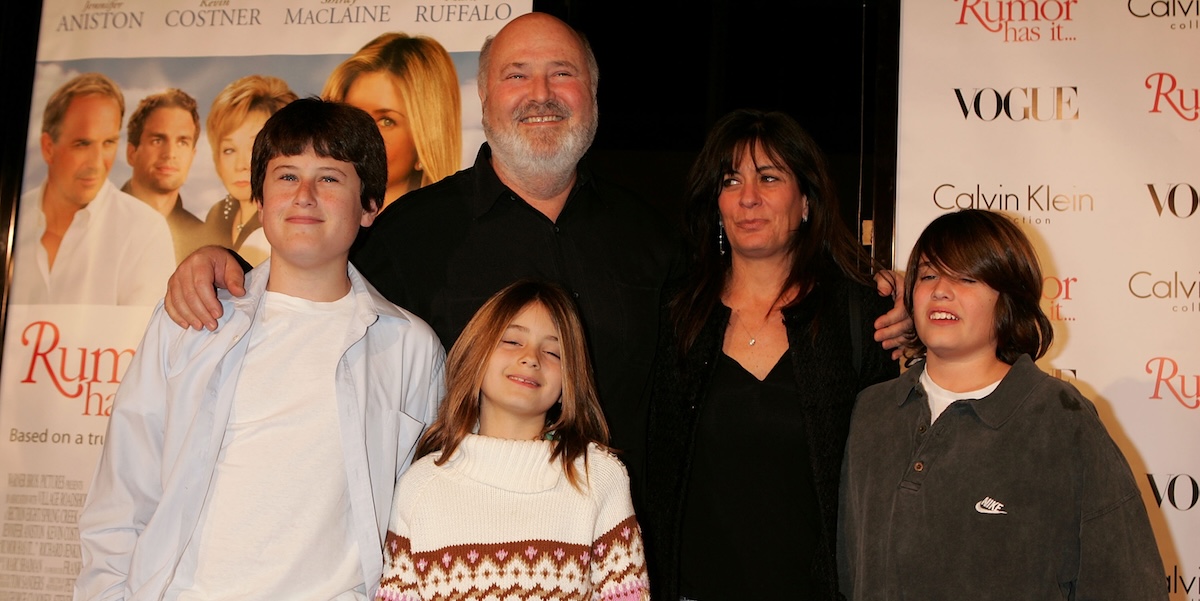


Horrified. This is a natural reaction to the tragic murders of Rob Reiner and Michele Singer Reiner. Sadly, my horror does not include disbelief. In fact, I am feeling intense concern for the families I know personally for whom this story hits far too close to home.
Countless parents who are quietly grappling with a loved one’s substance use and mental health disorders have been traveling this road for years with their own children. Their reaction may not be so much of shock, but rather understanding. Almost like a nod to each other, that, this could happen in our home.
We are in the early stages of learning the truth about what happened, and there is a lot of speculation at this point as we collectively process these deaths. What we do know is that untreated mental health conditions and addiction can have wide-ranging consequences, for individuals, families, and society. These effects often compound over time, making recovery harder the longer treatment is delayed.
We also know that one of Nick Reiner’s siblings discovered their parents after the murders. Too many siblings witness alarming behavior in their own families. Too many grandparents watch their grandchildren grow up amid chaos and fear. Too many spouses no longer recognize the person they married, and today are reading headlines about the Reiners and wondering, Could this happen to us?
The paradox of loving someone in active addiction
The fear that accompanies this lived experience is unique. Imagine being a parent or guardian who has seen their precious child become unrecognizable as symptoms progress. Imagine the confusion that arises from the paradox of needing to protect yourself from someone you love more than words can express.
For people in this dynamic, there are often unimaginable decisions to be made. Some must obtain a PFA (Protection From Abuse) when they’ve been threatened or harmed. Some install deadbolts on their bedroom door, to protect valuables, or themselves. Some have been forced to reach out to law enforcement to intervene when feeling unsafe.
People who haven’t lived with these particular challenges simply can’t fathom why a parent, guardian or other family member might resort to these seemingly extreme actions. It seems counterintuitive to parenting. Of course, not everyone can identify with having a family member who struggles with addiction or mental illness. This unrelatability fuels the stigma associated with behaviors borne from these disorders.
Others who have lived through the horror of a loved one’s substance use cannot promise to heal your family. We can, however, walk alongside you toward recovery so that you can begin to heal yourself.
Substance use disorder by the numbers
Every single day, families across this country experience profound loss due to substance use disorder (SUD). According to national data, more than 48 million Americans meet criteria for an SUD, and addiction affects entire family systems, not just the individual using substances. Most of these tragedies are never public. They are grieved privately, but no less painfully.
When consequences arise, the rest of the world can’t see the daughter who was excited when she won a poetry contest, or the son who beamed throughout his guitar solo in the school concert. We don’t see the acts of kindness, the late night tearful sharing about the loss of their first crush, or the sweet, sensitive child who knows exactly when we need their hug.
What the world sees when tragedy happens is the worst about the addicted person involved. Meanwhile, we parents and family members hold the story with a bit more complexity and shared grief.
From disbelief, to awareness, to support
If you’ve expressed disbelief that something like this could happen to a family like the Reiners, trust me when I tell you that there are countless families struggling with unpredictable moods, varying levels of psychosis and aggression, and other behaviors that arise when mental illness is accompanied by, or self-medicated with, mood-altering substances.
Mental health and SUD are confounding. Often, when we don’t feel like we have an easy explanation for something, we make judgments or assumptions. Please, please, please don’t judge these families. Instead, give them your sympathy, your compassion and your support. And on the subject of support, there is no one better equipped to support families going through these unthinkable realities than another family member who’s been right where they are.
Others who have lived through the horror of a loved one’s substance use cannot promise to heal your family. We can, however, walk alongside you toward recovery so that you can begin to heal yourself. Educate yourself by enrolling in a free Family Recovery Course, Parent Partnership support group meeting, or Sibling Partnership support group meeting. Connect with others who understand and have lived through what you are living.
Kim Ferris Porter, CFRS is the Executive Director and Co-Founder of Be a Part of the Conversation, a nonprofit organization that equips families with skills and resources to understand substance use disorder. As the parent of someone in long term recovery, Kim is passionate about helping people understand the impact of addiction on individuals and their families. Kim is a Certified Family Recovery Specialist, providing peer support and sharing her lived experience with other families. Be a Part of the Conversation offers free support groups virtually and in-person on a weekly basis. Visit conversation.zone to learn about a no-cost Family Recovery Course, Parent Partnership, or Sibling Partnership meeting.
The Citizen welcomes guest commentary from community members who represent that it is their own work and their own opinion based on true facts that they know firsthand.
 MORE ON MENTAL HEALTH FROM THE CITIZEN