


“Divisions within America were great at that moment [during the American Revolution]. Far beyond anything that I would have expected,” says banker, political thinker, history and all-around Renaissance man Richard Vague. “The people at that time overcame those differences and made the decisions — however reluctantly — they needed to make.”
Listen to the interview edition here:
Ahead of America’s 250th, Vague has been thinking a lot about the lessons the American Revolution can offer us today — and not just because he is, as Citizen Media Group CEO Larry Platt likes to say, “the closest thing any of us will ever be to Ben Franklin.” Many think of the American Revolution as a heroic act of resistance.
But — while there was certainly heroism enough to inspire musicals and a mythos about chopping down cherry trees — Vague knows there was also doubt, resistance and uncertainty. The Pennsylvania Assembly, our governing body at the time, actually instructed its delegates to oppose the Declaration of Independence.
After the Revolution, when America was a burgeoning nation, debates continued — about the make up of our Constitution, about economics and debt — but the founders were eventually to find the compromises needed to launch a new country.
At the center of these divisions was Thomas Willing, a Philadelphia banker and one of the lesser-known figures in the American Revolution. Willing was the first president of the Bank of North America and later of the First Bank of the United States. He played a major role in bankrolling the Revolution, though he twice voted against Independence. Vague calls him the “most powerful figure in early American history that you’ve likely never heard of.”
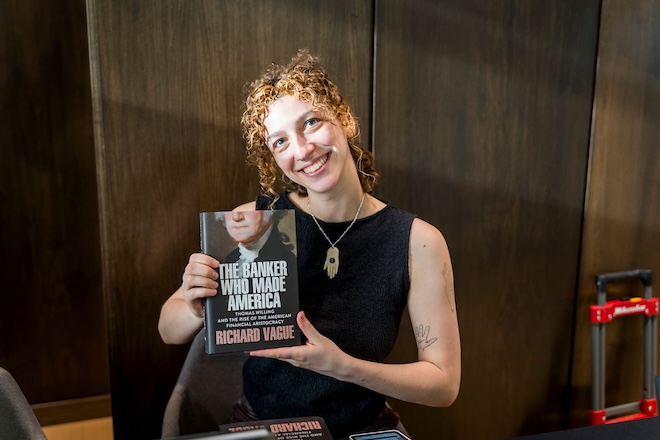
In his new book, The Banker Who Made America, Vague, a Citizen Media Group co-founder, biographs Willing, outlining the outsized impact this oft-forgotten Founding Father had on America’s early years. President John Adams (a name history hasn’t forgotten) once described Willing as having tremendous influence over both George Washington and Alexander Hamilton.
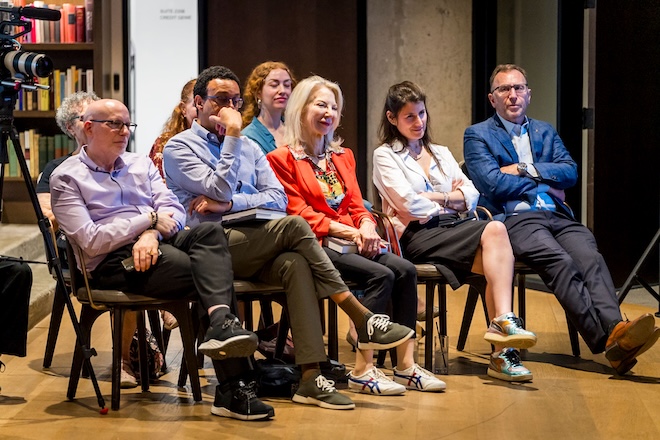
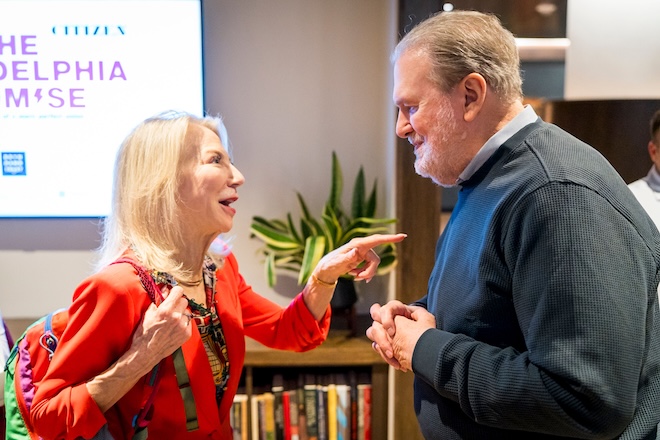
Vague sat down with Philadelphia magazine editor-in-chief Christine Speer Lejeune to discuss his new book, Willing and the conflicts and compromises that underpinned the founding of the United States, setting the stage for what would be a pioneering Democracy. The event was the first of a new series, The Philadelphia Promise: A Series In Search of a More Perfect Union, from Citizen Media Group that aims to bring preeminent thinkers from Philadelphia and beyond to the stage to discuss what we can do to spark change.
Who was Thomas Willing?
Willing was a banker, merchant and power broker, serving at one point as Mayor of Philadelphia. He was the business partner of Robert Morris, a fellow Revolutionary-naysayer, and together they owned the export / import business Willing, Morris and Company. The duo financed the American Revolution, putting their reputations on the line and using their personal funds and credit.
Should we be surprised more Americans don’t know about one of the key funders of the Revolution? Vague says it’s par for the course. History is full of holes and who picks up the check is often one of them.
“One of the things historians routinely gloss over or omit entirely is finance and economics,” Vague says. “I tell my business friends, you better do something to be remembered besides business because otherwise nobody’s going to remember what you did.”
When the war ended, Willing pioneered a second revolution — one of banking and finance — as president of the First Bank of the United States, ultimately creating a bridge for the Industrial Revolution and paving the way for the U.S. to have a stable, government backed currency.
“Alexander Hamilton says, with this bank, the loss of our independence is impossible,” Vague says. “If you cross Walnut, you have the two institutions that dominated the finance of America, which are Hamilton’s Treasury Department … and Willings’ Bank of the United States, which is largely the equivalent of today’s Federal Reserve.”
The lessons Willing offers for today
It’s worth remembering Willing for his role in providing the money and power needed to financially back the Revolution and the U.S.’s early years. But Vague is quick to point to another quality that recommends him: his compassion — even toward folks he disagreed with.
Vague points to Willing’s kindness to Thomas Jefferson as an example of this. Willing, like Hamilton and Washington, was a Federalist. The Federalist Party fought for the creation of a National Bank, for the federal assumption of national and state debts and tax laws. The anti-Federalists, led by Jefferson, worried a powerful federal government would limit state and individual rights.
When he lived in Philadelphia, Jefferson was “shunned,” Vague says, because so many of his contemporaries were Federalists. Willing and his son-in-law were the exception. Vague sees a lesson there for overcoming our current moment, where political divisiveness reigns.
“He’s ultimately gracious,” Vague says of Willing. “Even in these times, it doesn’t matter, I think, how much or whether we disagree with someone. I think our fundamental obligation is to be gracious.”
Watch the Full Event Here:
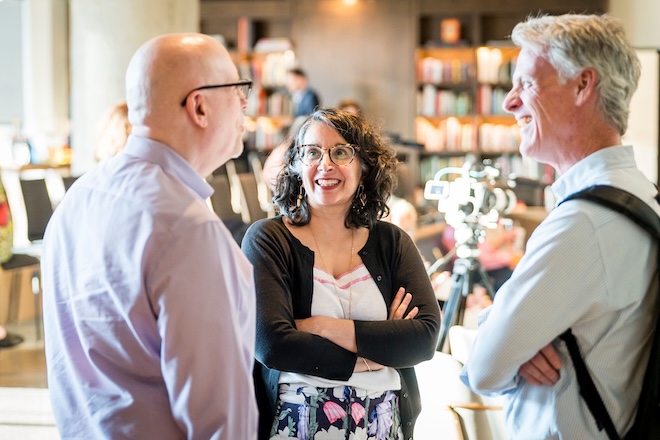
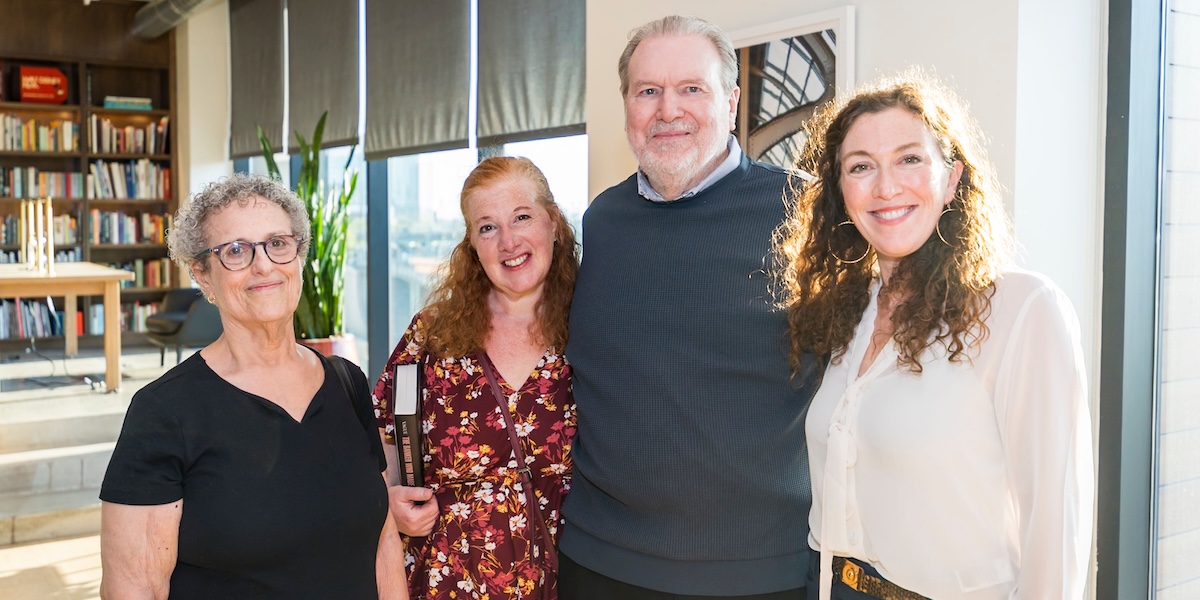
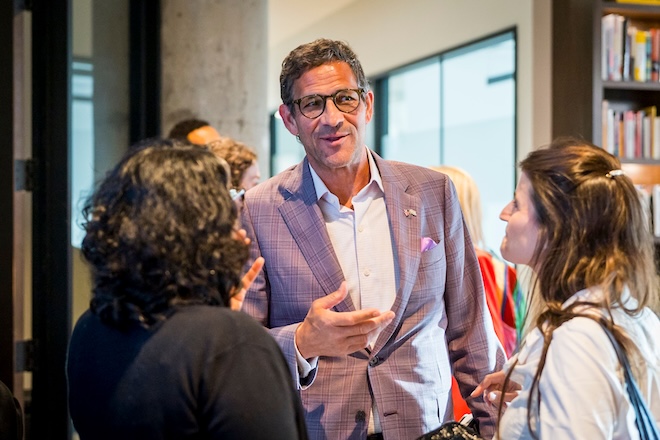
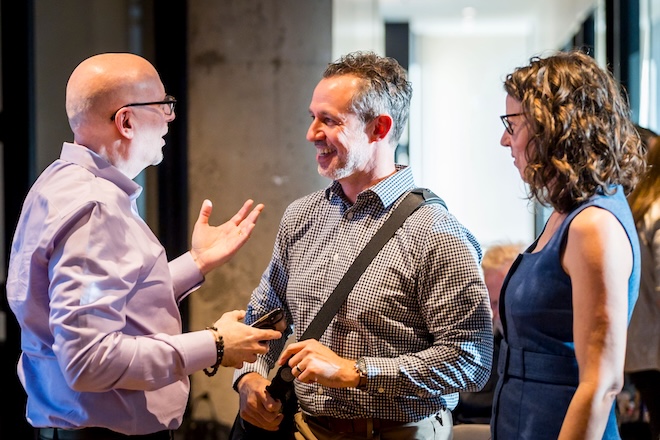
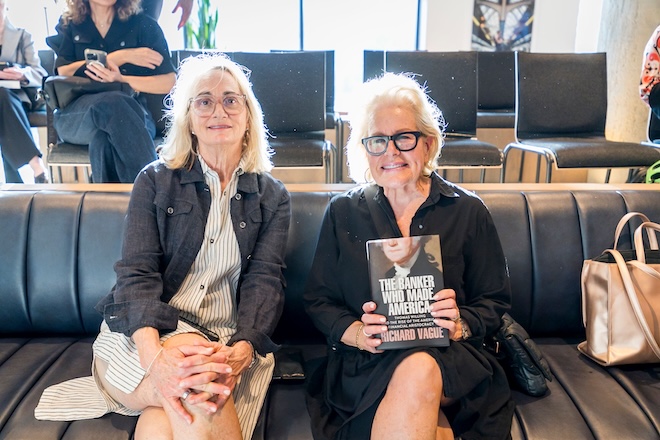
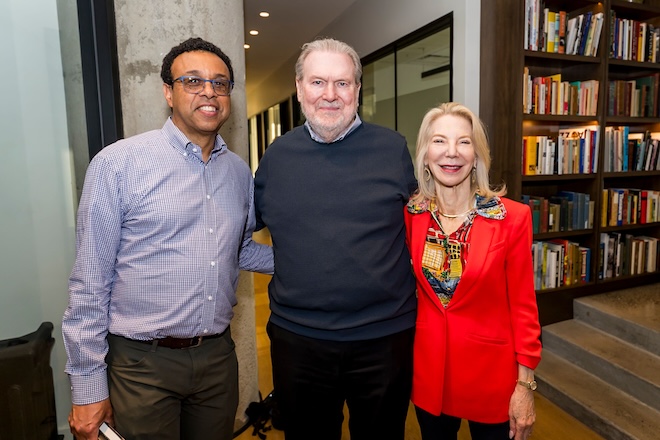
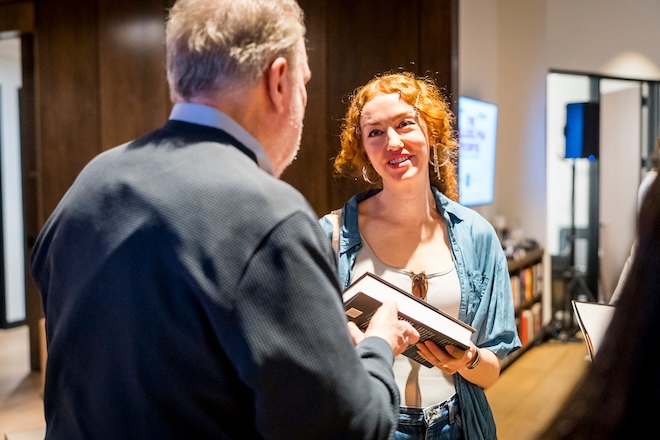
See photos from the evening below:
 PAST CITIZEN EVENTS
