



Ahead of the 2024 election, Dr. Ezekiel “Zeke” Tayler knocked on 2,500 doors around Pennsylvania.
He’d canvassed for years, but last year, when Donald Trump ran against Kamala Harris, it felt like there was a lot at stake. As a doctor, he was frustrated with the medical misinformation — especially around vaccines, abortion and other health issues — that was coming from figures like Robert F. Kennedy Jr. or Dr. Memhet Oz.
“I took an oath to do no harm, and I don’t like any politician that tries to make the lives of patients worse,” Tayler says. “I don’t want to see Medicaid taken away. I don’t want to see children not eating. I don’t want to see medication prices go higher. I don’t want to see doctors leaving the state because they can’t practice medicine appropriately.”
Yet the conversations he was having when he knocked on doors didn’t feel like they were moving voters. Most people — regardless of party — just wanted him to leave as quickly as possible. No one was listening to him.
It’s a problem many canvassers have noticed. Traditional canvassing doesn’t often change people’s minds and leaves volunteers feeling consternated and burnt out. Some groups have tried strategies to promote deeper conversations — with great success — but most have just felt frustrated.
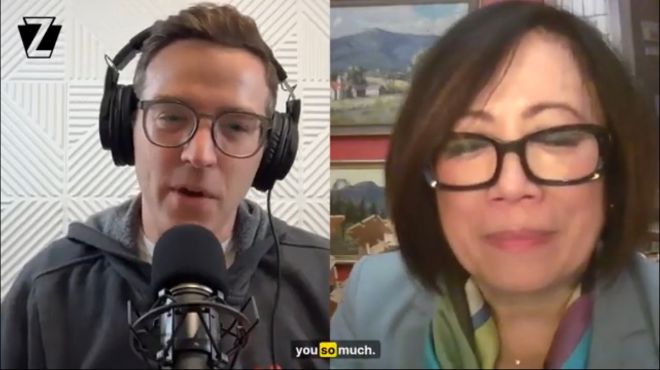
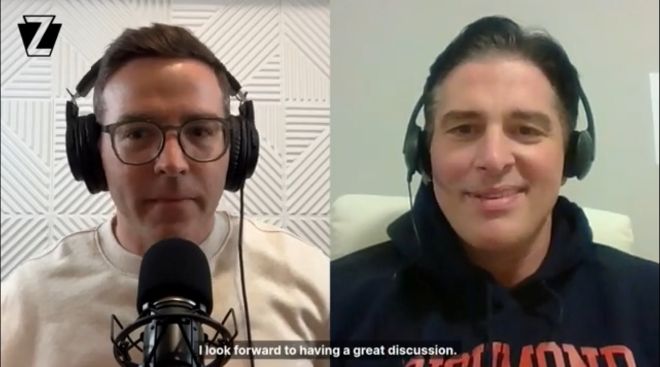
Tayler took a different strategy, reaching voters where they are: their phones. He started a podcast, joined TikTok and began making videos about the election. His show, The Zekely Podcast, has featured PA politicians from Lower Merion School Board candidates to PA State Representative and Vice Chair of the Democratic National Committee Malcolm Kenyatta.
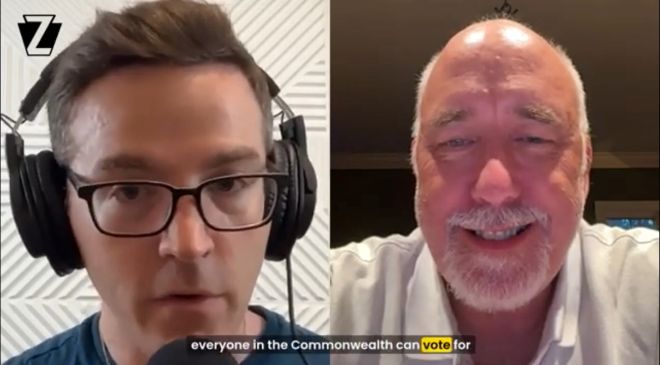
This fall, he’s been shining light on what is often a low-information and low-turnout election: statewide judicial retention races. Tayler has interviewed all five candidates standing for retention this fall — something that is unusual since justices don’t often campaign heavily for these races. The three justices running for retention on the state supreme court appeared on the show this past Sunday.
Doctor by day, podcaster by night
Tayler wasn’t a big podcast listener before launching The Zekely Podcast. He was busy working shifts as an anesthesiologist and volunteering on election campaigns in his free time.
The power political — or even non-political — podcasts had to shape electoral outcomes really came to the fore in the months leading up to and after the 2024 election. Both Harris and Trump made appearances on major shows, like Call Her Daddy (Harris) and the Joe Rogan Experience (Trump), while campaigning. About 135 million people listen to podcasts monthly and 98 million listen weekly, according to reporting from Bloomberg. That’s more than double since 2016.
Many of these shows — and their listeners — are right-leaning. A number of Democratic politicians and others on the left said they need to find “their own Joe Rogan.”
“I didn’t realize that people were tuning in and listening to Joe Rogan and saying, oh, that sounds reasonable — when he’s bringing on anti-vax guests and anti-democratic guests,” Tayler says.
So, Tayler hired a consultant and started developing his own idea for a podcast — one that could uplift candidates and political activists. He liked that people seemed willing to build relationships with and trust the podcasters they listen to, even if the relationships are one-sided. He released his first episode introducing the show at the end of December — a little less than two months after the election. In January, he released an episode interviewing Daniella Weinberg, communications chair for the Democratic Committee of Lower Merion and Narberth.
“If I can connect with someone over a couple years and gain trust with a bunch of people in Pennsylvania, I think that’s going to be more valuable than knocking on a bunch of doors,” Tayler says.
Informing voters
On Instagram and TikTok, Tayler will share clips from his podcast alongside videos of him doing TikTok dances to Bad Bunny’s “Tití Me Preguntó” and Fat Man Scoop’s “Put Your Hands Up” and encouraging people to get out and vote on November 4th.
The goal is to be entertaining and informative. He doesn’t want the show to be polarizing. “It’s not a shit-talking podcast,” he says. He’s not interested in engaging in debates with folks like far right Christian Nationalist and January 6-er State Senator Doug Mastriano that could devolve into name-calling and likely won’t change anyone’s mind. Instead, he wants to have civil conversations that actually inform voters about candidates on the ballot and the work of statewide political organizers.
For example, he chatted with Danny Ceisler, who is running against incumbent and ICE-collaborator Fred Harran for Bucks County sheriff, about what he wants to do as sheriff, his military experience, his work as an attorney and how his Jewish values influence his leadership style. State Senator Vincent Hughes talked about policies that support small businesses and legislative efforts around healthcare and education.
“I grew up a reform Jew and there was a commandment that really was instilled in us, it’s called tikkun olam, which translates to ‘repairing a broken world.’ … We have an obligation. My parents taught me I have an obligation to try to repair a broken world,” Ceisler says on the show.
Tayler records the episodes in between hospital shifts. (We had to reschedule our interview because he was on call and needed to tend to a patient.) Or late at night after having dinner and spending time with his family. Anesthesiology isn’t exactly an easy profession. Some might wonder why he does this at all when he could just focus on work?
“I could stick my head in the sand and do nothing and pretend like none of this is happening,” Tayler says. “I feel like I have a duty and an obligation to do the best I can when I have free time, and I hope that my kids, when they get older, understand why we did this. Why I drag them around door knocking, and why I interview people late at night, and why I do all this work.”
2025 elections and judicial retentions
This year, Tayler’s been focused on interviewing candidates for state judicial races and retention elections. He’s joked on the show that he’s collecting judges “like baseball cards.” It’s a big deal that he’s helping voters learn about the candidates for judgeships. Judicial elections tend to fall in low-turnout election years — like those after a presidential election — and are often poorly understood and receive little media attention.
So why is Tayler focusing on what is usually a pretty sleepy political issue? He’d been paying attention to the Supreme Court race in Wisconsin this spring where donors like Elon Musk spent more than $21 million trying to influence the outcome of the race.
Here in PA, we’re facing a similar dynamic. Three Democratic justices are up for retention elections on the Supreme Court this year. In these “yes” or “no” elections, voters decide whether justices on the Supreme Court should serve another 10-year term. Republicans see an opportunity to flip the court and both sides are engaged in heavy spending and ad campaigns — more than $7 million so far.
“Judges are the backstop to our rights,” Tayler says. “I say over and over again, every election is the most important election. But this election is super important. People have to know that these justices matter.”
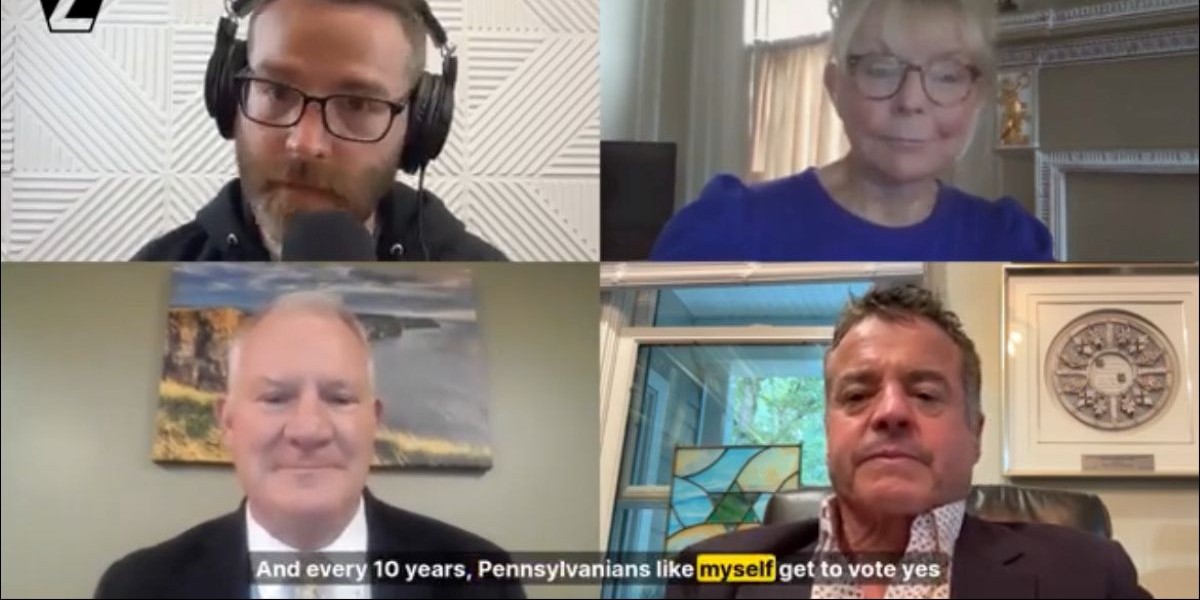
Tayler has interviewed all five justices running for retention elections across the PA Supreme Court, the Superior Court and the Commonwealth Court. On the show, Christine Donohue, Kevin M. Dougherty and David Wecht, the three justices running for retention on the Supreme Court, appear together. They talk about the importance of keeping the court nonpartisan and working with their colleagues who were elected as Republicans. Wecht underscored the importance of this election and detailed what happens if all three of them lose.
In that case, Governor Josh Shapiro would have the opportunity to appoint a temporary replacement who would serve until 2027 when a new judicial election would be held. His picks are subject to Senate approval and they could be blocked, leaving the court with just two justices elected as Democrats and two who were elected as Republicans.
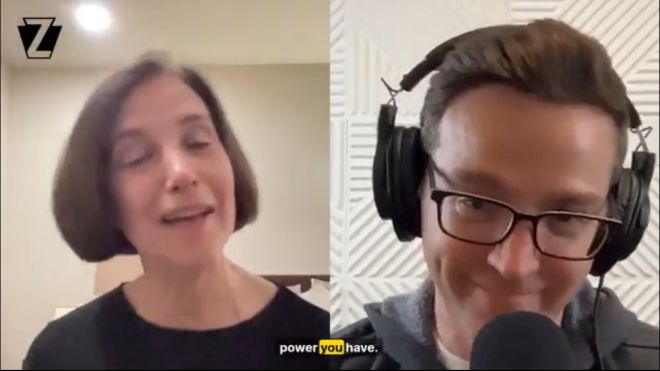
“If you have a court of four members, you’re going to have gridlock. You’re going to have enormous frustration amongst Pennsylvanians, amongst lawyers and the clients they represent, amongst all sectors of society because they’re not getting a decision. They don’t know the rules of the road. Even if they don’t like the result, at least they have clarity and predictability,” Wecht says on the show. “If they don’t have that, they have two years of limbo.”
Tayler’s takeaway from interviewing all the justices running for retention — and a few who are running for election for the first time? “I think judges perform a service that is very isolating,” he says. “They don’t have YouTube channels, they don’t do blogs, they don’t put out statements. … They take their jobs very seriously. They want to rule without fear or favor.”
Slowly, but surely, his message is reaching people. He’s built an audience of more than 13,000 on Instagram. Hundreds of people have viewed podcast episodes on his Youtube channel. The content is free to watch or listen to, so that he can reach as many voters as possible. He plans to keep recording, and hopefully building an audience of listeners who will go to him for election information.
“My platform may take a lot longer to build, which I’m fine with,” Tayler says. “It’s easy to fall into apathy and think that nothing matters, but talking to these people helps give you focus.”
 MORE ON THE 2025 ELECTION