



Every year, thousands of Philadelphians take part in Love Your Park week. (In 2026, it took place May 9 through 17.) But truth is, you can love your park any day of any week — after all, 95 percent of city residents live within a 10-minute walk of one of 150 of them, including 2,000-acre Fairmount Park.
Why?
William Penn’s vision for a “greene country towne” wasn’t just 17-century dreaming. Penn’s ideal remains essential to what Philadelphia is today. “Well-maintained and accessible parks,” says Fairmount Park Conservancy CEO Tony Sorrentino, “are vital infrastructure and shape all aspects of city life. Parks do it all: they provide climate resiliency, with trees that clean and cool the air and permeable surfaces to manage rain and stormwater. They offer free access to social connections and contact with nature — both associated with positive mental health outcomes.”
So, yes, join the Conservancy, Parks & Rec and the Park Friends Network for a concentrated, 10-day caring-for-parks blitz featuring hundreds of meet-ups to tend trees, plant flowers and clean up trash with your neighbors. (No experience necessary!) But also consider doing something small (or big) for your park the rest of the year too.
Here’s how.
“Leave no trace” in city parks
The camper’s mantra isn’t just for camping. It also applies to urban spaces, and not just because many of Philly’s public parks include wildlife (White-tailed deer! Opossums! Eastern garter snakes! Red-bellied woodpeckers! Bald eagles!), native plant habitats and drinking water sources — all things that litter and pollution negatively impact.
The first rule of “leave no trace”:
Clean up after yourself. This helps maintain a public space’s dignity and encourages others to do the same. How to do that:
-
- Pick up your trash and throw it out (or recycle!).
- That includes food.
- Pick up others’ trash too. (Be the change you want to see in the world!)
- Reduce waste by bringing reusable bottles or food containers.
- This goes for your pup too. Be sure to pick up your dog’s waste and throw it away in a designated trash can.
This no littering tip goes for the rest of Philly too.
The second rule of “leave no trace”: Don’t go places you shouldn’t.
Stay on marked trails. Stay out of blocked off areas to preserve ecosystems and help park services stay on track with their projects like reseeding grass to strengthen the ground, preventing soil erosion, or protecting vulnerable plants, animals and therefore biodiversity.
Join a Park Friends group
Philadelphia has 140 all-volunteer, Parks & Rec-sanctioned Park Friends groups — nearly one for every park. These groups raise funds for park improvements and maintenance and host clean-ups, movie nights, fairs — all kinds of pro-park events. Park Friends support not just the green spaces within parks, but also playgrounds, sports fields, indoor recreation and sports facilities, even the park’s social media presence. They are also a great place to make new friends.
Use this map to find your group. You don’t have to join in order to volunteer or participate in their events, either.
Don’t see one in your neighborhood and want to DIY a group for a park? Use the Park Friends Group Toolkit to start your own.
Questions? Contact the Philadelphia Parks & Recreation Stewardship office at PPRstewardship@phila.gov, or call (215) 683-3679.
Volunteer in bigger parks
Fairmount Park Conservancy regularly hosts community volunteer events in Fairmount Park, Cobbs Creek Park (West Philly), and FDR Park (South Philly).
Historic Bartram’s Garden in Southwest has opportunities to support seasonal planting, weeding, harvesting and removing invasive species. Capacity is limited, so be sure to reserve a spot.
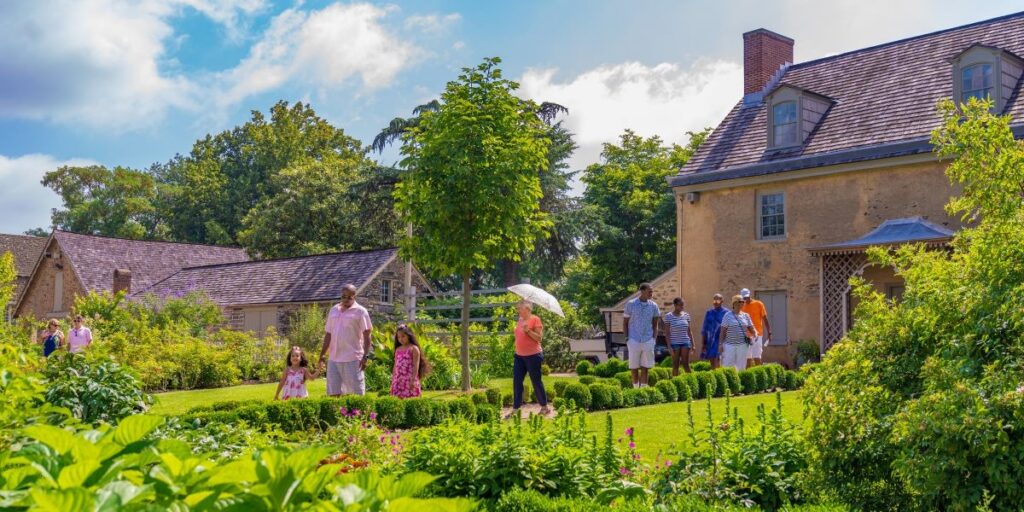
The Discovery Center in Strawberry Mansion, an Audubon-run refuge and the home of Philadelphia Outward Bound, uses volunteers for weeding and watering the Native Pollinator Garden, guiding visitors, and even more professional roles, such as assisting in their indoor aeroponic farm or working with children in their pre-K program. Fill out this form to learn more.
Parks & Rec’s Philly Forest Stewards program uses a skilled volunteer force (ages 18 and up) who work year-round to make trails accessible (cleaning and preserving). Spaces are limited. Apply here if you’re interested in long-term volunteering and a lot of manual labor.
Outside Philadelphia, Natural Lands, a nonprofit that cares for large natural areas in PA and NJ, offers the ability to be a “force of nature” volunteer. Natural Lands volunteers undergo training on native plant gardening, habitat restoration and more, and then commit to serving at least 20 hours a year.
Don’t forget dog parks!
Philadelphia has more than dozen off-leash sites for dogs. And dogs deserve trash (and poop) free and friendly parks too. Some tips to make that happen:
-
- Always pick up your dog’s waste and throw it out in cans specified for that purpose.
- Not a bad idea to pick up other dogs’ poo too, or gently let a distracted human know their pooch did #2 while they were busy playing Wordle.
- Bring an extra poop bag or two.
- Keep an eye out for holes in the ground, fence, or surrounding area, and report them to the local group that runs the park (all dog parks are managed and run by volunteers).
- To that end, join your dog park’s volunteer group.
- This should not be necessary to mention, but if your dog is not in an off-leash zone, keep them leashed.
Protect playground and sports facilities
The basics apply here too: Pick up trash when you bring it or you see it.
Don’t enter a space if it’s locked or cordoned off.
See something broken, missing (some fields lack for trashcans and basic maintenance) or otherwise amiss? Report it to Parks & Rec — or simply pop into the rec center and speak to an onsite employee. They might even tell you how you can help out.
DIY park cleanup
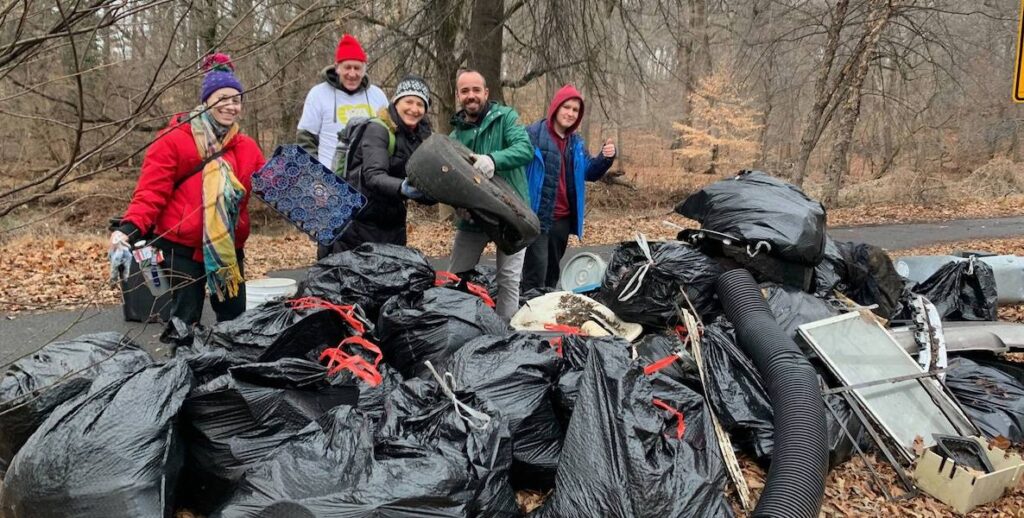
If you don’t see scheduled opportunities to clean up your neighborhood park, the City allows you to host your own — they even have a how-to-guide (which applies to both block cleanups and park cleanups).
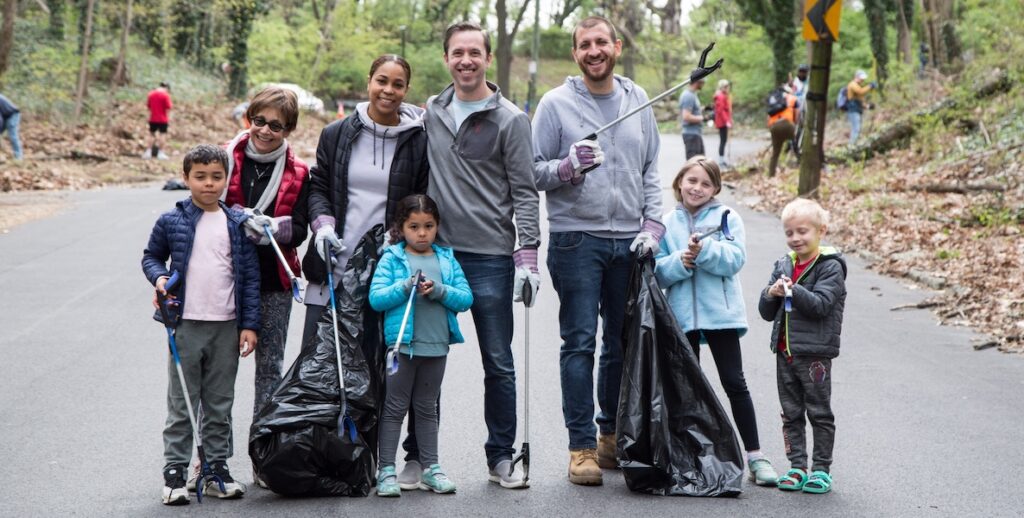
Note: You don’t have to join or organize any kind of group to make a difference in a park. Just show up during open hours in comfortable clothes that you don’t mind getting dirty, bring some gloves, maybe a grabber, and a trash bag, and plog to your heart’s content. Be sure to properly dispose of whatever you pick up in a public bin (or your own), recycle what’s recyclable, and be sure to wash your hands when done.
Word to the wise: If you’re planning to make any changes to your neighborhood park, definitely let them know about it first.
Do things at home to protect nearby parks:
Try an alternative to salt during winter
Not every winter is snowy. But when they are, be careful with how you treat your sidewalk. The salt most people use on sidewalks and roads to clear snow and ice is made from sodium chloride, which harms parks (and more green spaces) by killing plants, harming wildlife, and damaging roads and trails.
Instead of salt:
-
- Shovel and sweep the snow as soon and as often as you can to avoid buildup.
- Use alternatives, like sawdust, sand, or cat litter to help with traction
- If you do use salt, gather up any leftover once it’s stopped snowing. This way, you can use it again (which saves money) and it doesn’t migrate into our parks (which saves parks).
Recycle leaves — and holiday decorations
In the fall, there’s a better option for those fallen leaves — or live Christmas tree — than the trash truck. City and volunteer groups use the resulting mulch and compost in parks the following season to keep gardens healthy.
From early November through most of December, the Department of Sanitation collects leaves and decorative greens to turn into compost and mulch, some of which residents can then get for free to use in their own gardens at designated sites and collection events. (Dates for 2026 TBA.)
For leaf and lawn waste year-round (along with compostable kitchen waste), subscription services like Bennett Compost offer special pickups (and sell you mulch in return.)
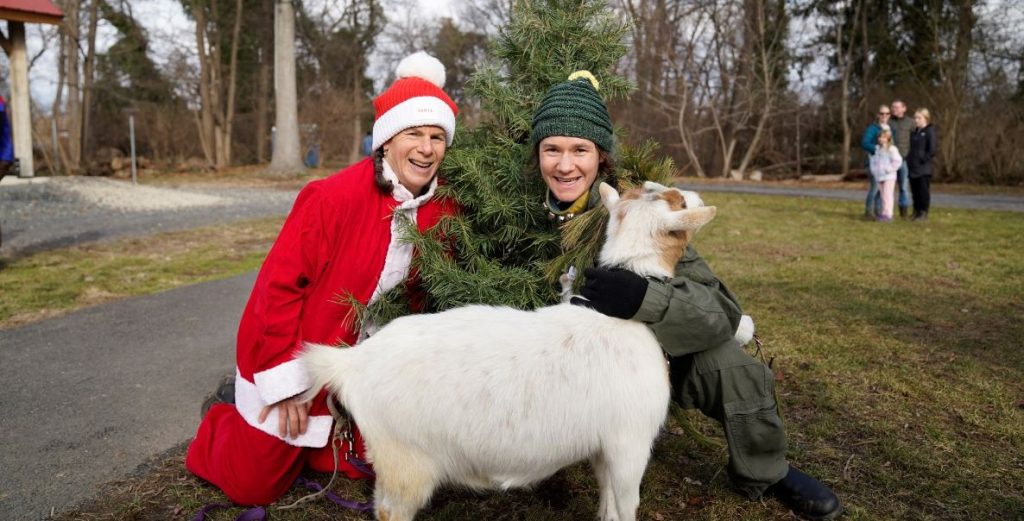
Another popular option for that tannenbaum and pine decor, post Christmas: Feed it to a Philly goat (fee involved).
Show you care about Philadelphia parks
Although the City of Philadelphia-run Rebuild program has invested over $500 million to improve our city’s public spaces, Philadelphia still invests less money per resident than other major U.S. cities.
Doing all of the above is a great way to care about Philadelphia parks. But if you want people in power to know about what you care about, you’re going to have to tell them.
Reach out to your representative on Philadelphia City Council (your District rep and any or all At-Large Councilmembers), and give the Mayor a call at (215) 686-2181.
Remember: One of the best ways to support our parks is to use them. Park use helps build neighborhood relationships, strengthens community ties, and also shows the city how necessary the parks are to its residents.
 LOOKING FOR MORE THINGS TO DO?
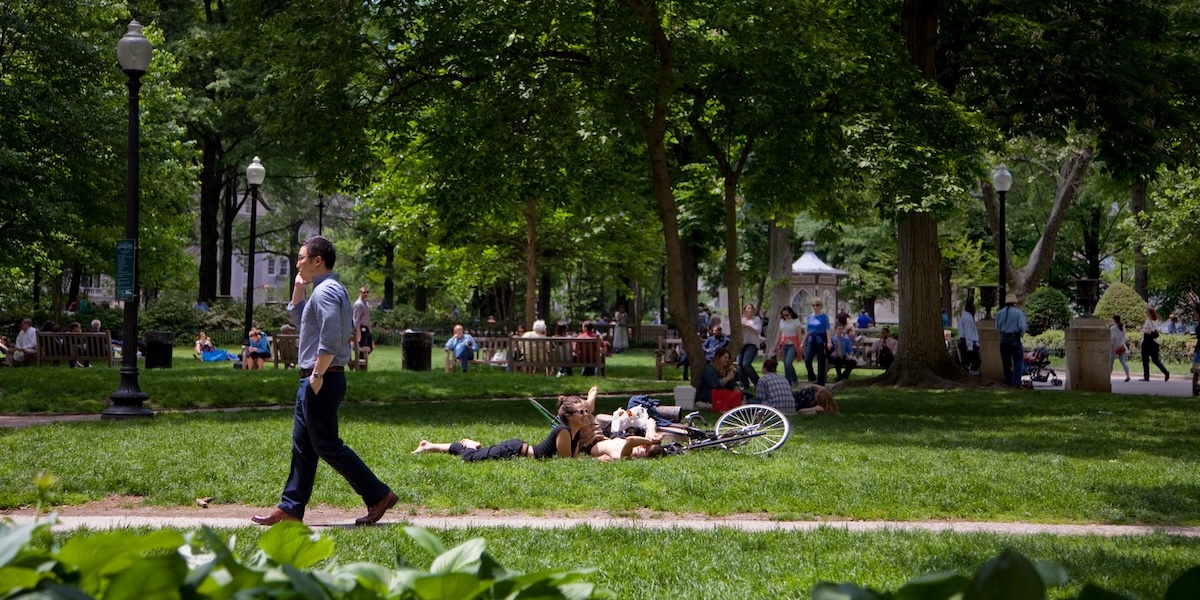
Rittenhouse Square. Photo courtesy of Visit Philadelphia®.