

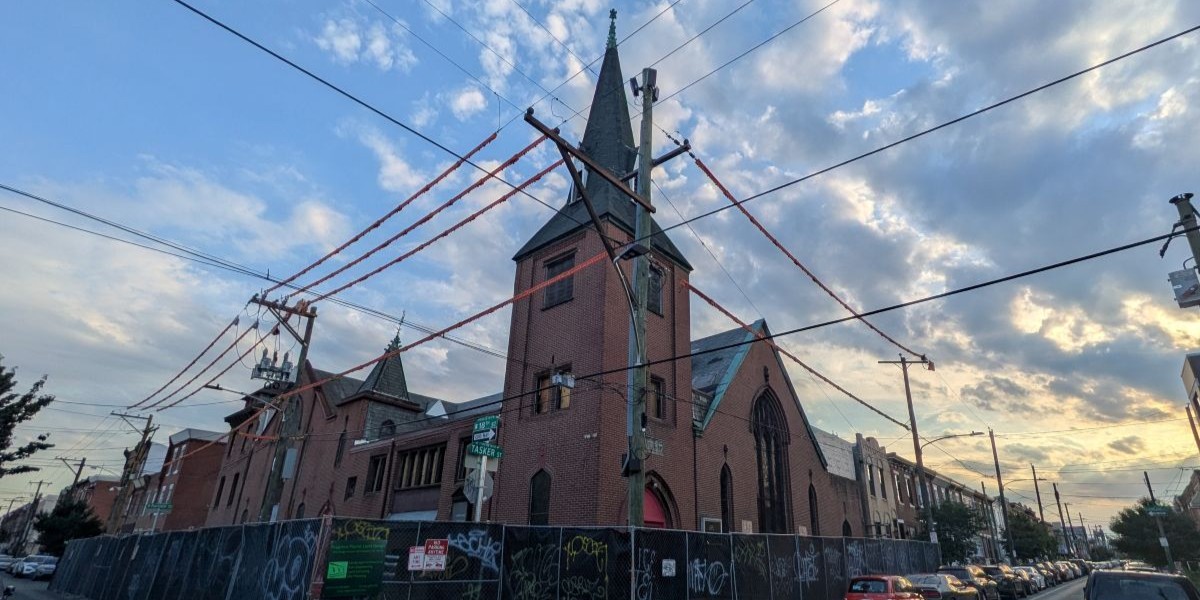


A developer plans to open a brewery in an old church at 1800 Tasker Street, kitty-corner from a K-8 school and near several worship centers. By the time the developer notified neighbors, it was too late for them to have a say. What happens next could change the character of the neighborhood.
The church had its problems. The building was in decay. The Baptist congregation was active but in decline. Their pastor of 20 years passed away. Still, neighbors loved the building as a polling place and host to community dinners.
A developer found a loophole for the church to allow commercial use without any community input. There will be no zoning hearing and, unless neighbors raise their voices, no hearing about restrictions on the brewery’s license. There are genuine questions about how to repurpose historic properties, but denying residents a say in the planning of their neighborhoods is a poor workaround.
A regrettable zoning loophole
When a developer wishes not to abide by a property’s zoning classification, they typically request a permit to change a building’s use. If the City denies a permit, the developer must appeal to the Zoning Board of Appeal (ZBA) for a variance. This triggers a process that involves the community around the building — specifically, Registered Community Organizations or RCOs.
RCOs solicit input on zoning matters through public meetings, that the developer must notify residents of in advance. These meetings give community stakeholders, residents, workers, and businesses a voice in the process. The RCOs take those comments and make recommendations to the ZBA. Often, the ZBA incorporates those recommendations into a variance that allows for a deviation from the property’s classified use (in the case of this church, from residential to commercial use). The variance may place restrictions on commercial use such as prohibiting outside seating, amplified noise, or limiting hours of alcohol service.
In 2019, however, City Council passed a zoning loophole that says if a property obtains historic status through the Historical Commission, is over 2,500 square feet, and has any prior or current public use, the developer can utilize the building for commercial use. The list of allowed commercial uses is expansive, including as an office building, retail store, personal care home or even medical marijuana dispensary. The intent of this loophole was to “help neighborhoods across the city retain their valuable historic” properties, but it bypasses the process of getting community input before granting a variance and effectively rezones the property. Neighbors do not get a say before the Historic Commission.
There are genuine questions about how to repurpose historic properties, but denying residents a say in the planning of their neighborhoods is a poor workaround.
As a neighbor who has watched a developer bring a locally unpopular, and likely disruptive, project into a quiet neighborhood, this loophole seems entirely unfair. It is the antithesis of what considered, resident-centered city planning is supposed to look and feel like. The process has placed one business’s interests above those of a community. Mine is a neighborhood of families, including neighbors who remember the edicts of the former church, which promoted temperance. These days, the neighbors may not be all teetotalers, but many of us worry what will happen to our lives once a 240-person capacity brewery (the size of seven rowhomes) begins operation or decides to have outside seating, bringing the noise and disruption of a brewery out onto the sidewalk.
While the law may have been envisioned to “protect historic resources … for the benefit of our residents,” my community of elderly neighbors and young families is not best served by a large facility selling alcohol. Like any bar or restaurant it will necessitate the constant churn of patrons — and is not unlikely to create heavy late-night foot and motor vehicle traffic, parking disputes and increased noise — and bring impaired drivers to this family-friendly corner.
There is a chance that the brewery will be a good, quiet neighbor, but utilizing a process that has sidelined community input has not engendered goodwill among residents. By avoiding the RCO process, there are no guardrails in place to protect the community and the business has not benefited from hearing how to best serve the neighborhood. I want the developers to succeed but my neighbors’ interests have not been protected. My little corner of Point Breeze should not have to rely on a business owner choosing to do the right thing for the locals. Breweries close everyday. We should be able to rely on a process that protects our interests and sets all parties up for success. Even if this developer does the right thing, the next owner may not honor their promises.
Interested persons can file a Petition to Intervene with the Liquor Control Board to ask for restrictions on the brewery to preserve neighborhood character or a denial of the application altogether. Completing the online form takes about five minutes, then a copy needs to be sent to the developer. If enough neighbors file the Board may hold a hearing and allow interveners to testify.
Although it might be too late for our block, there are lessons other Philadelphians can take from what is happening at 18th and Tasker. City Council can stop this from happening again by enacting legislation to repeal the loophole.
Erik Orvik is a spouse, father, and attorney. The opinions expressed herein are Mr. Orvik’s alone, do not represent that of his employer and are not legal advice. Mr. Orvik may be contacted at erik@erikorvik.com.
The Citizen welcomes guest commentary from community members who represent that it is their own work and their own opinion based on true facts that they know firsthand.
 MORE ON PRESERVING HISTORIC PLACES