



With everything happening, you would not be alone in missing an executive order issued on August 7 that has the potential to upend how federal grants — more than $1 trillion each year — are awarded and used in communities nationwide. As the President and CEO of Mental Health Partnerships and someone who has spent decades in the mental health profession, this executive order is personal. It will be devastating for the millions of Americans who rely on nonprofit organizations for essential services.
For decades, federal grants have funded projects that make our lives healthier, safer, and more equitable, from water remediation in small towns to programs that expand access to mental healthcare. Experts, scientists, clinicians, and public health professionals have evaluated proposals based on evidence, effectiveness, and community need.
The “Improving Oversight of Federal Grantmaking” order replaces that time-tested process with one that subjects every grant to political review. Under the new system, political appointees — not experts — will decide which grants move forward, which programs receive funding, and whether existing grants should be revoked. That means grants could be rewritten, canceled, or denied — not because they fail to meet scientific standards or community needs, but because they do not align with the administration’s political ideology.
As the leader of a mental health organization that has worked for nearly 75 years to expand community-based care, I am deeply concerned. These changes strike at the heart of how we support people living with mental health and substance use challenges, through providing evidence-based and peer-driven care.
Consider this: Currently, a panel of clinicians and policy experts at the Substance Abuse and Mental Health Services Administration (SAMHSA) reviews state plans for mental health block grants.
We should all demand that federal grants remain rooted in science, evidence, and community need, not politics.
This panel of professionals ensures that funds expand evidence-based programs like crisis response teams, mentally assisted treatment (MAT), Certified Peer Specialists, or Certified Community Behavioral Health Clinics. Under this executive order, those same decisions could be overturned by a political appointee in Washington, D.C. with no clinical expertise. A life-saving program for opioid treatment in rural Pennsylvania could be denied, not because it may not work, but because it does not match the administration’s politics.
We fought hard to establish a foundation for parity between physical and behavioral healthcare to ensure high-quality care for behavioral health conditions. We can not let politics take us backwards.
This order makes a mockery of the standard of care that we utilize for people with behavioral health conditions.
Even more troubling, the order prohibits using federal funds for certain activities, effectively silencing programs that address disparities in care. This could mean shutting the door on research and services designed to reach LGBTQ+ communities, people of color, or other groups who already face significant barriers to mental health support.
Grant funding is not supposed to be partisan; it is supposed to offer the best standard of care to the community that requires it.
Grant funding is the invisible backbone of our mental health system.
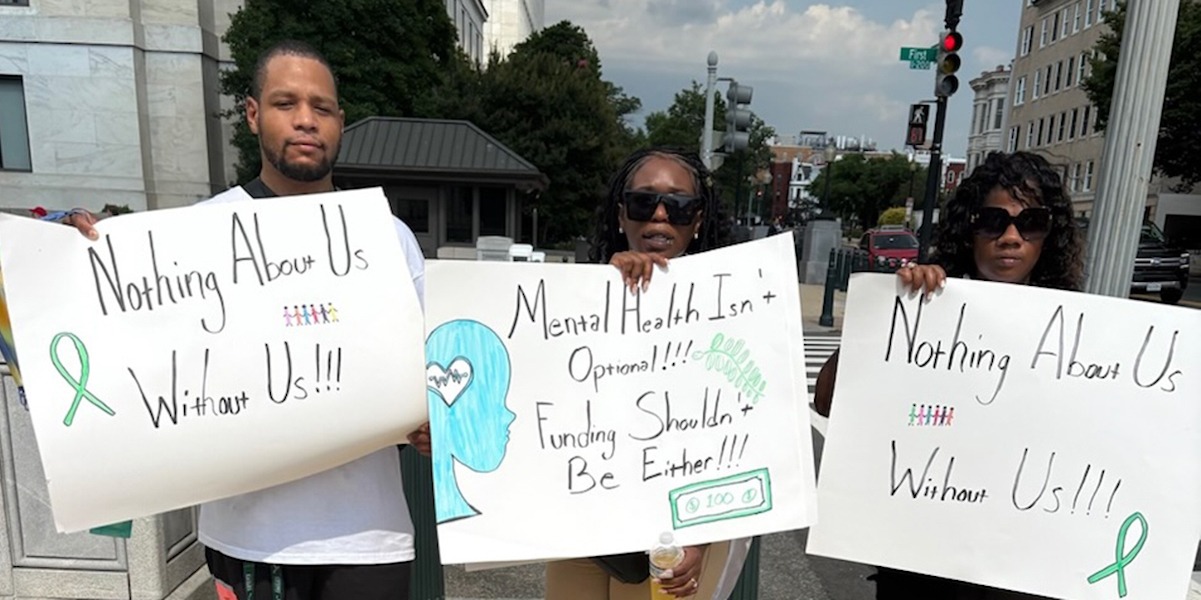
It keeps our neighbors in recovery, expands access to medication, and helps us build healthier, more resilient communities. Politicizing this process risks lives.
If federal grants become a political tool, it will not be politicians who pay the price — it will be families who lose loved ones to suicide, communities struggling with the opioid epidemic, and individuals shut out of treatment, and this will mean that the impact falls on all of us.
We should all demand that federal grants remain rooted in science, evidence, and community need, not politics.
Our country’s mental health and wellbeing depend on it.
Dr. Jeannine L. Lisitski is President & CEO of Mental Health Partnerships, has held executive roles at the Council for Relationships, Women Against Abuse (WAA) and Project H.O.M.E., and has received numerous awards for her leadership and social innovation, including the Lipman Family Prize from Wharton for leading a citywide initiative to combat relational violence.
The Citizen welcomes guest commentary from community members who represent that it is their own work and their own opinion based on true facts that they know firsthand.
 MORE OP-EDS ON FIGHTING THE THREATS FROM OUR FEDERAL GOVERNMENT