



Philadelphia’s Board of Education is confronting decisions that no community takes lightly.
Recent steps toward school closures and consolidation reflect real challenges. Enrollment is declining. Buildings are underutilized. Financial pressures are growing. These are not abstract issues. They affect students, families, and neighborhoods in deeply personal ways.
Having served as a District leader in Philadelphia and as a superintendent in other cities, I have faced similar decisions. I know they are among the hardest any board can make. They demand not only fiscal discipline, but empathy, transparency, and respect for the communities involved.
That same level of care must guide the next set of decisions before the Board: charter school renewals. The Board of Education is set to make decisions on charter school renewals Thursday, May 14. Before they do, I hope they consider:
The shared weight of these decisions
When a school closes, the impact is immediate and lasting. Students are displaced. Families must adjust. Communities lose an anchor.
Charter renewal decisions carry similar consequences.
Charter schools are public schools. Across Philadelphia, they serve tens of thousands of students. These are families who have made active choices about where their children learn.
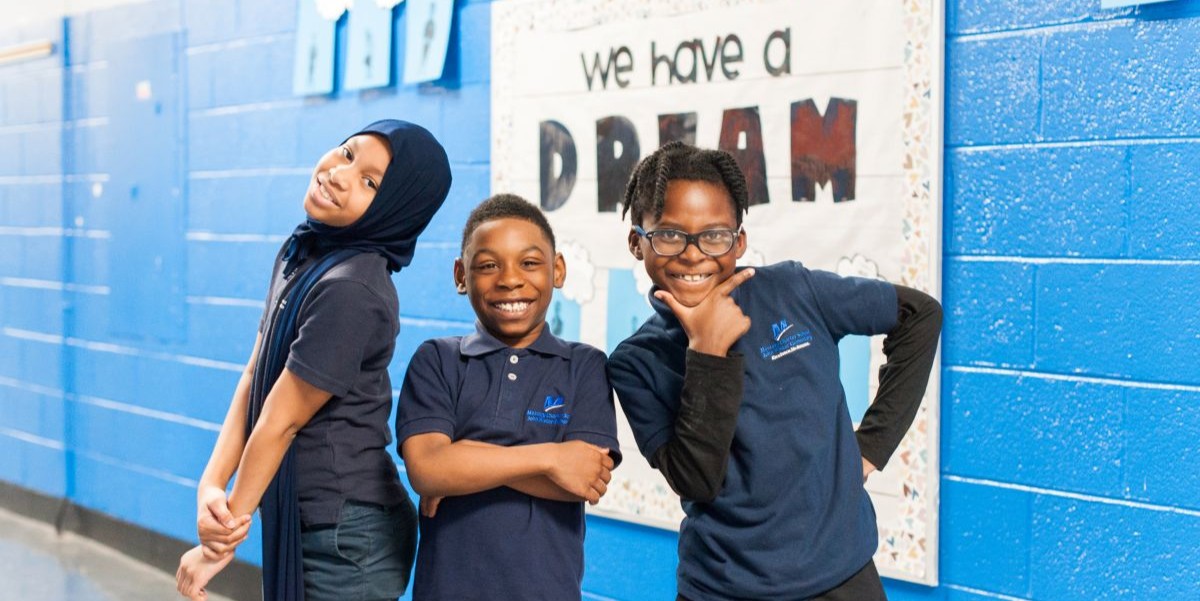
At Mastery Schools, where I serve as CEO, we see that commitment every day. Families choose our schools because they are seeking stability, opportunity, and strong outcomes. An adverse decision on renewal disrupts that trust. It forces students to start over. It creates uncertainty for families who believed they had found the right fit.
These decisions deserve the same deliberation and fairness as school closures.
The importance of getting it right
Philadelphia is working to strengthen its charter evaluation system through the RiSE initiative. This work is essential. A clear and consistent framework benefits schools, families, and the public.
As that work continues, it is important to recognize that the current system can produce results that do not always reflect the full picture of a school’s performance.
Methodological choices, such as how schools are compared to peers or how isolated issues are weighted, can significantly influence ratings. In some cases, strong outcomes for students are not fully captured. In others, unresolved policy questions, including those related to enrollment and access, shape renewal discussions in ways that go beyond academic performance.
When decisions affect thousands of children, those nuances matter.
A practical step forward
Given this moment of transition, there is a responsible step forward. Pause major charter renewal decisions until the updated framework is complete and clearly understood.
This is not about avoiding accountability. It is about ensuring that accountability is fair, transparent, and consistently applied.
A pause would allow the Board to move forward with clarity and public confidence. It would avoid making high-stakes decisions while the evaluation system itself is still evolving.
Keeping equity at the center
At its core, this conversation is about equity and voice.
Families across Philadelphia, especially those in historically underserved communities, are making deliberate choices about their children’s education. They are seeking schools that meet their needs and offer a path forward.
Those choices deserve respect.
Policies that create instability or limit access risk undermining that trust and widening the very gaps we are working to close.
A shared path forward
This does not have to be a zero-sum debate.
Philadelphia can approach school closures with care and empathy. It can apply that same standard to charter renewals. It can ensure evaluation systems are fair and consistent. It can prioritize stability for all students.
This is not about sectors. It is about children.
If we stay focused on that, and make practical, thoughtful decisions grounded in fairness, we can navigate this moment in a way that strengthens our entire system.
One that works for everyone.
Joel D. Boyd, Ed.D., serves as the Chief Executive Officer for Mastery Schools. He is a Harvard-trained educator whose career has spanned the classroom, principalship, and central administration in some of the nation’s largest school systems.
The Citizen welcomes guest commentary from community members who represent that it is their own work and their own opinion based on true facts that they know firsthand.

MORE ABOUT THE SCHOOL DISTRICT OF PHILADELPHIA