


In 2018, George and Carol Felgate should have been enjoying the early days of his retirement. George cut back on his work schedule; Carol had fully retired. Instead, George was often afraid to leave the house.
Carol, who injured her back during her years lifting patients as a Navy nurse, recently had a few falls, including one that sent her to the hospital. Even though the Felgates did what many people their age do: outfit their home with a chair lift for the stairs; added grab bars in the bathroom; even though George and the couple’s daughter did their best to be with Carol at all times, there were short stretches — 30 minutes to an hour — when Carol was left alone.
Those minutes were nervewracking. “We were afraid to leave her alone, because of the number of incidents where she lost her balance and injured herself,” Felgate says.
To Felgate, it seemed the only way to have someone there “100 percent of the time” would be to hire live-in help — something he didn’t feel they needed yet. They were struggling with what to do when they found Medical Guardian, a Philadelphia-based medical-alert device company.
Medical Guardian makes smart, sleek devices that made Carol feel safer — and put George at ease. The couple remembers getting live customer service from the company to test out and learn to use the device. Now, when he has to leave his wife alone, George ensures Carol is wearing her Medical Guardian necklace.
“It has made a world of difference to us,” Felgate says. “It’s part of our normal routine.”
Normal for many Americans: For the past 13 years in a row, Medical Guardian has landed on the Inc. 5,000 list of fastest-growing private firms and helped hundreds of thousands of older adults and their families feel more secure. And now, according to company Founder and CEO Geoff Gross, they want to go a step further. Their mission: Help solve the ongoing shortage of at-home caregivers.
A booming industry
Globally, medical alert devices are a $10.27 billion industry. Medical Guardian has a considerable slice of that pie, joining companies such as Bay Alarm, Medical Alert and Mobile Help LifeFone, not to mention newer wearables, like UnaliWear, Apple Watches and Echo / Alexa devices that offer more than just medical alerts. Then, there are “wellness devices” aimed at a younger audience: Whoop and Oura Rings purport to track sleep, blood pressure …. and sometimes get in trouble with the FDA for claiming to be medical devices.
Dr. Brooke Salzman, medical director for Jefferson Geriatrics, understands the need for such devices. More people than ever are living longer than ever. Many don’t want to renounce their independence. And falls, especially, are a real and present danger. According to the CDC, falls are the leading cause of injury-related death in Americans 65 and older.
What’s more, as we age, we tend to develop other conditions that put us at risk for health emergencies. Older people with heart disease, COPD, diabetes, even hearing loss can benefit from medical alert systems. With a growing market of options, Salzman points out that there are a couple factors in making a choice. The first is cost; some health insurance plans cover only certain systems. The other is ease of use. Some devices have the nasty habit of setting off alarms and putting in calls to call centers at the slightest bump; others tend to be overcomplicated for many seniors.
Medical Guardian devices, on the other hand, are intentionally streamlined, straightforward and not confusing to use — an important fact given the age of their clientele.
Inspired by his own life
The story of why Gross founded Medical Guardian is similar to the Felgates’. More than 20 years ago, his grandmother Freda, who, like Carol Felgate, had to be hospitalized after a fall, balked at the idea of a medical alert device. Fiercely independent — and frustrated by ads that portrayed seniors as helpless — Freda thought wearing a big plastic bracelet would make her look old.
So Gross, the business-major son of an incurable entrepreneur, collaborated with a Silicon Valley tech design company to create a device that did what so many medical alert devices do — communicate with customers when there’s an emergency, and call EMS if necessary — except sleeker-looking. The idea took off: Actor Florence Henderson (of “The Brady Bunch”) became their spokesperson; Supreme Court Justice Ruth Bader Ginsburg became a customer.
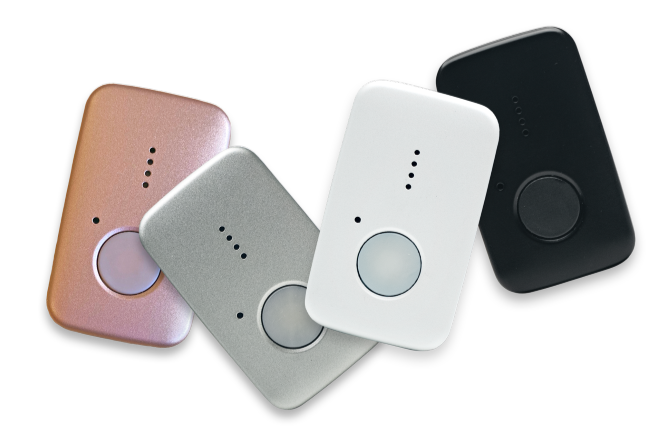
The company has three wearable alert devices: the MGMove and MGMini Lite, both worn as watches, and the MGMini, a medical alert necklace. One reason why the system works better than trendier, more bells-and-whistles-filled versions is another simple solution: the Move, MiniLite and Mini operate on long-life batteries that do not need frequent recharging. (They last up to five days.)
Medical Guardian’s base membership price is $40 per month, and Medicaid and Medicare Advantage both cover the system for qualifying participants.
Today, Medical Guardian has 630,000 members — about double their membership from 2022 — and handles 200,000 calls per month, resulting in about 20,000 emergency dispatches. Gross has grown his staff from 310 in 2022 to more than 529 in 2026 — 130 of whom are Philly-based. Their annual revenue is $250 million.
Medical Guardian has been successful by any measure, but Gross says he wants to do more. The population of U.S. residents ages 65 and up continues to grow. And, 54 percent of Americans in their 40s have both children of their own and one or more parents over age 65. This cohort — the “sandwich generation” — is often simultaneously caring for their kids and managing their parents’ increasing medical needs, putting a strain on time and wallets. Every year, more than 53 million Americans are acting as unpaid caregivers for family members.
At the same time, there’s a shortage of nursing assistants, home health aides and other medical professionals to help care for older adults.
“We’re having a major societal crisis right now that’s not talked about as much as it should be,” Gross says. “There’s not enough personal, professional caregivers. There’s not enough hospital beds. There’s certainly not enough long-term care to adequately take care of this aging population for the first time in history.”
So a year or so ago, Gross again saw an opportunity for Medical Guardian to expand into a connected care model, helping older adults keep track of their medical data and storing it in an easily accessible digital portal that they could share with both their doctors and concerned family members.
As with everything the company does, the goal of the MyGuardian Web Portal and app is to help keep older adults safe. The new platform added a layer of monitoring — tracking location, oxygen levels and blood pressure —which it shares out with designated loved ones. Add-ons, like fall detection services, messaging and reminder apps, and automatic alerts to family members, range in cost from around $3 to $10 per month.
Gross says members usually join at 75 or 76 years old, but Medical Guardian is hoping to get customers earlier, to prevent accidents and flag potential medical issues. They want to move from reactive — someone falls and they need assistance — to proactive.
“We are a wraparound service care platform that essentially helps you age. This device should not signal that you’re getting older and that you’re frail,” says Chief Marketing Officer Matt Guerrieri, adding that the products “should signal that safety equals peace of mind, equals freedom and that you can continue living your life gracefully and aging with dignity.” Customers often begin using the devices at home. Some continue to use them after hiring professional at-home help or after moving into senior or assisted living.
Gross also sees potential for Medical Guardian to grow its footprint in more senior care facilities and healthcare organizations, where the devices serve as alert systems for staff, and the portal can make current and historical patient data readily available. The company already has more than 1,000 such partnerships and works with Independence Blue Cross and Jefferson Health to help get their devices to more people.
Striving for continual improvement
As his company grows, Gross seeks to expand Medical Guardian’s use of their AI tool, Goldi. Already, they use AI to welcome new members, help them set up the equipment and answer basic questions. This fall, Goldi will also be able to do daily check-ins and reminders, ask about physical and mental health, and save notes to a user’s profile.
The AI rollout has been bumpy: In late 2024, The New York Times’ product recommendation site Wirecutter dropped Medical Guardian devices from their list of the “Best Medical Alert Systems,” saying the company’s use of automation to answer alerts was cumbersome, failed to understand what customers were telling it, and — in what a Medical Guardian representative told Wirecutter was an “isolated incident” — shared a new user’s information with a Wirecutter reviewer. The company said this last issue happened only with demonstration devices sent to reviewers (not customer accounts) and that they have implemented controls to ensure the issue would not reoccur.
Medical Guardian further says the Times review does not accurately characterize how their devices use AI, explaining that 90 percent of calls are for non-emergency situations — a customer accidentally pushing a necklace button when dressing, or bumping a wrist on a surface — which can be relatively easily taken care of with an automated system.
A company representative says the AI triage feature has cut response time to actual emergencies in half, down to 15 seconds, and that it is trained to recognize a wide range of responses beyond a simple “yes” or “no” answer. Any response the automated features don’t recognize is immediately escalated to a live “wellness advocate” who often has a background in emergency response and social work.
Gross hopes to continue expanding offerings for members, including resources that can help them transition to other forms of care like nursing homes or bringing in a home health aide, when they have more advanced needs. It’s something he went through with his own father-in-law, who recently moved into long-term care. “We hope that members will one day be able to turn to us as part of their membership and say, Hey, I’m thinking about home care. I’m thinking about some type of senior living facility. What would you recommend?” says Gross.
Not unlike Apple, Medical Guardian is constantly working to optimize for functionality, says Eliza Salerno, chief operating officer at Medical Guardian, improving battery life and fall detection, building in a function not unlike Siri or Alexa, to call for help when a customer is unable to press the button. And they’re working with designers to make the wearables more physically attractive and a product team to improve the tech. Says Salerno, “Our new hardware focus is really about the best looking, feeling, modern, accessible, comfortable device, so that people wear it all the time, so that they’re using it every day.”
“The reality is, tech-enabled care needs to play a leading, critical role in protecting people and keeping them healthy and well at home,” Gross says. “We can keep you active, independent, living your best life, doing the things that you love longer than you could without our solution.”
 MORE BUSINESS FOR GOOD
