

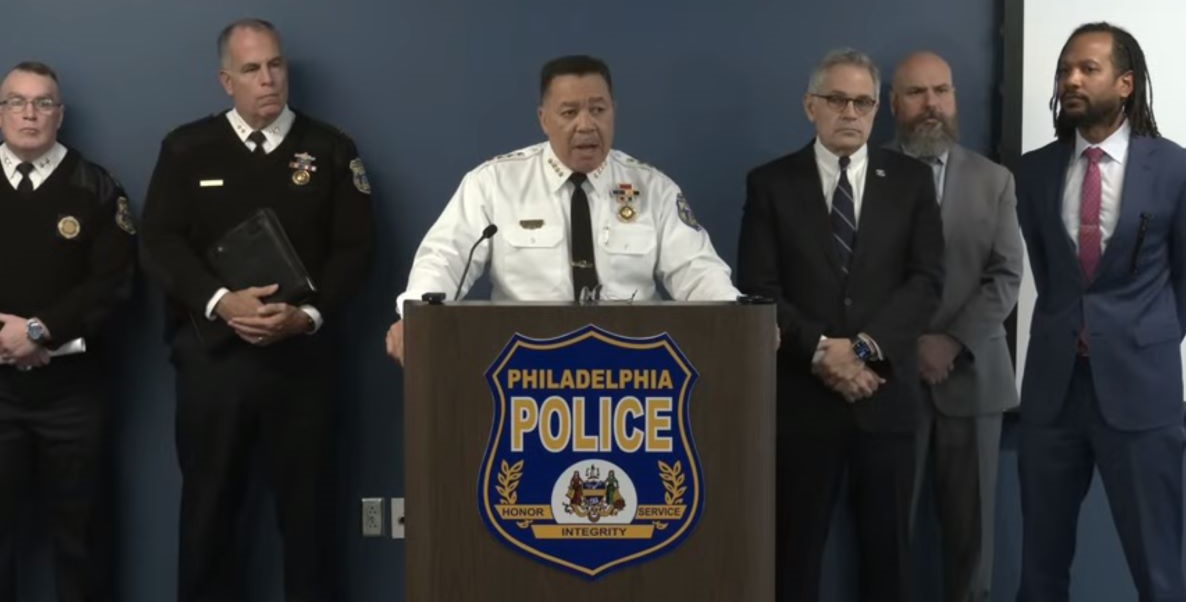


Now that gun violence in Philadelphia is on a sustained downward trajectory, the City is trying to figure out what to do next. So for the first time in its history, the Philadelphia Police Department is developing a five-year strategic plan designed to enhance public safety and strengthen bonds with community members.
“This plan recognizes that we cannot simply arrest ourselves away from the public safety challenges that we face,” Mayor Cherelle Parker said at a news conference. The plan, she added, is a “powerful blueprint” for making Philadelphia the “safest, cleanest, greenest big city” in the nation. As Parker noted, Philly’s gun violence is already trending down: There were 499 homicides in 2020 compared to 269 last year, and 187 so far this year. “We are not resting,” Parker said.
[This story was originally published by The Trace, a nonprofit newsroom covering gun violence in America. Sign up for its newsletters here.]
The City is inviting members of the public to learn about the plan, and to provide guidance through a survey. That feedback will add to the conversations officials have already conducted with 200 Philadelphians, including police officers, business leaders, community members, and youth.
“For a long time, we’ve created these plans, put them on paper, then came out to the community and said, Here it is,” says Police Commissioner Kevin Bethel. “This has to be a bottom-up strategy.”
While the Police Department seeks community feedback, The Trace asked Philadelphians what they want to see in that plan. The plan, they said, should include more training for officers to de-escalate tensions, more support for community groups working to keep the peace, and more emphasis on preventing crime. Here are their responses, which have been lightly edited for length and clarity:
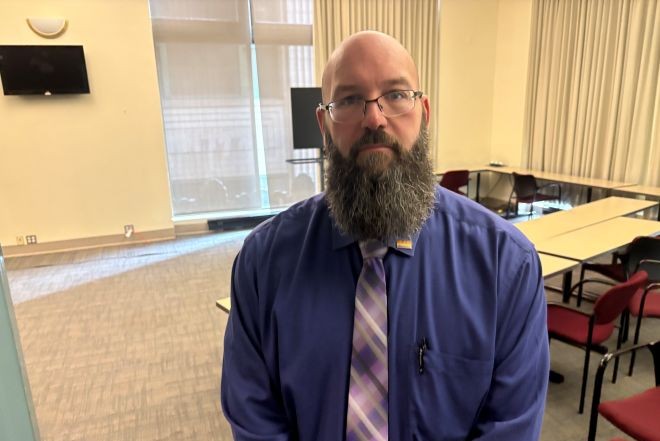
Jim Schofield, director of operations for Central Division Victim Services, which aids crime victims in North and Central Philadelphia.
I would love to see more funding for victim services programs. A lot of people don’t realize the role that victim services play in helping to prevent and disrupt cycles of violence, particularly with regards to retaliation. One of the functions of victim advocates is to help people apply for the Victims Compensation Assistance Program, which can allow folks to get compensation for medical expenses, counseling, and other losses. We also accompany folks to court. All of that can help reduce violence, because it allows people to heal from their trauma instead of being retraumatized.
Israel LaPrince, founder of Other Options Outreach Program, which mentors youth and takes them on college tours:
Everything starts with communication. Cops do have a job to do, but maybe we can find a balance between being a police officer and their communication style. We have to understand what they are dealing with, and we have to understand how the community can make it better. It’s like walking a balance beam. You can’t have the cops out here being put in vulnerable situations. On the flip side, you can’t have cops threatening to kill people at a traffic stop. So, there has to be a primary focus on communication.
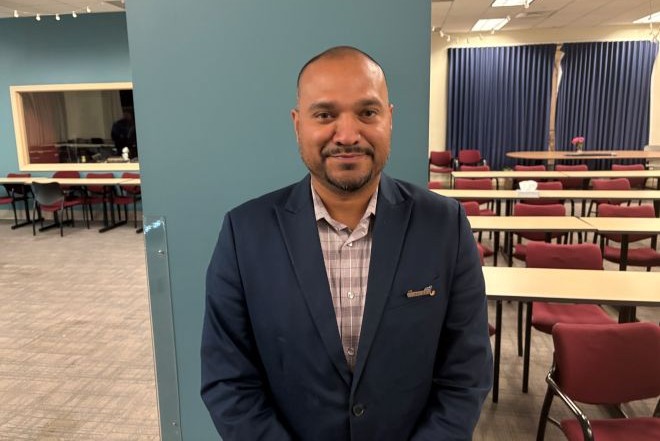
Adonis Benegas, executive director of Concilio, which provides social, educational, cultural, prevention, and intervention services to the city’s Latino community:
I want to see the building of a better relationship between the police and the community, utilizing community agencies, such as Concilio, to be the liaison so that people feel comfortable going to the police when there’s been a crime. We also want more access for our community members to get into the police force, so that we can have more people who look like us serving us.
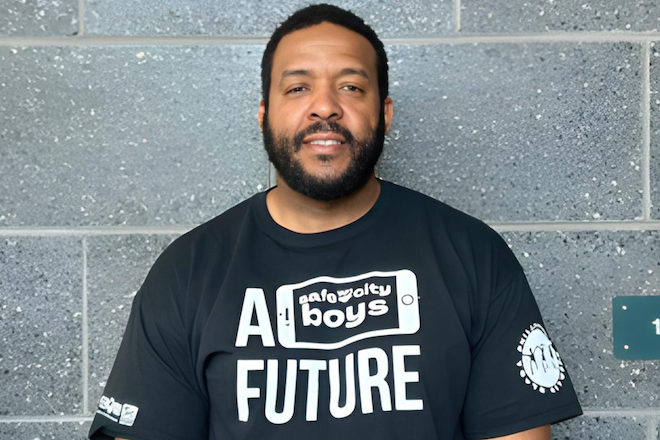
Mazzie Casher, executive director of Philly Truce, a community organization that trains men to be peace advocates in their communities:
I would like to see more peace patrols. It may be a selfish plug because Philly Truce does peace patrols. We hire men returning from incarceration and provide them with personal development. We believe this is actually a career path: community-led, visible deterrence.
Larry Krasner, Philadelphia District Attorney:
Front and center, top shelf has to be, put all the politics aside, and get a state-of-the-art forensic lab completed. A lab that has the bandwidth to handle the tens of thousands of fired cartridge casings, that has the bandwidth to work with our already excellent electronic forensic unit in the gun violence taskforce. That could really solve a lot of crimes. This is an issue that both the state and the mayor have embraced. I would love to see 10 percent more crimes get solved because it’s going to deter and stop a whole lot of other people who won’t commit crimes if they’re afraid of getting caught.
Second, the city needs to take its limited resources and do everything it can in terms of prevention. Prevention, in many ways, is the most dollar-for-dollar effective way to stop certain crimes. That’s my bottom line, we have to go in heavy on the forensics and heavy on the prevention.
Anton Moore, founder of Unity in the Community, a South Philly-based nonprofit that provides youth with job training and mentoring:
We have to continue grants to community groups. Another thing we have to look at is police and community relations. Then I think there needs to be a holistic approach with community members, police, and community organizations being in the same room and talking so that we stay on the same page about what direction we are going when it comes to public safety.
Eric Braxton, project director with One Pennsylvania West/SW Rising, which advocates for affordable housing for low-income Black residents:
Our members in West and Southwest Philly are really concerned about community safety. But we cannot police or arrest our way out of the safety crisis. We need to get jobs for young people, we need libraries, we need resources that go into our communities. The ultimate solution to safety is going to come from providing resources to our communities.
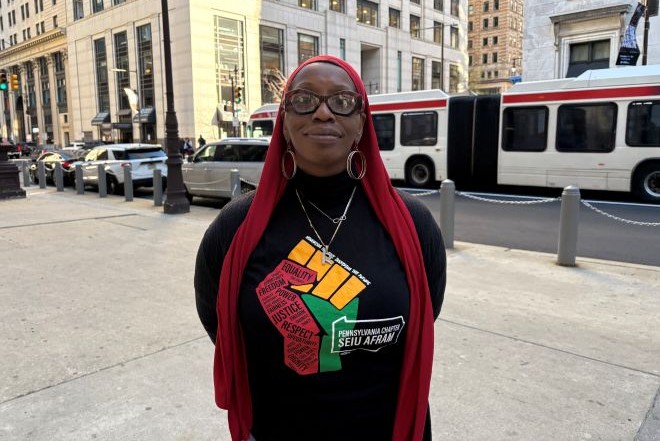
Cyrell Green, a West Philadelphia community activist:
I would like to see the Philadelphia Police Department bridge the gap between the community and themselves. Also, I would like to see them get help from being traumatized. I think we have some angry officers out here policing our streets, which agitates situations even more. If they give officers more in-service training so they can know how to deal with their trauma and how to respond better when someone is autistic, or having a drug overdose, or just crying out for help, that would be good.
Marvin Robinson, a West Philadelphia resident and member of various grassroots organizations:
I would like to see the police be more courteous and polite. They should say, “Good morning,” and, “Good afternoon.” It doesn’t hurt to say that. When I was growing up, people had respect for the Police Department. If they could come back with those kinds of things, I think conversations between police and residents would be more pleasant and that will create better relationships. Being tough with everybody doesn’t bring love to the neighborhood, it brings disadvantage.
Mensah Dean is a staff writer at The Trace. Previously he was a staff writer on the Justice & Injustice team at The Philadelphia Inquirer, where he focused on gun violence, corruption and wrongdoing in the public and private sectors for five years. Mensah also covered criminal courts, public schools and city government for the Philadelphia Daily News, The Inquirer’s sister publication.
 Every Voice, Every Vote funds Philadelphia media and community organizations to expand access to civic news and information. The coalition is led by The Lenfest Institute for Journalism. Lead support for Every Voice, Every Vote in 2024 and 2025 is provided by the William Penn Foundation with additional funding from The Lenfest Institute for Journalism, Comcast NBC Universal, The John S. and James L. Knight Foundation, Henry L. Kimelman Family Foundation, Judy and Peter Leone, Arctos Foundation, Wyncote Foundation, 25th Century Foundation, and Dolfinger-McMahon Foundation.
 MORE FROM THE TRACE