

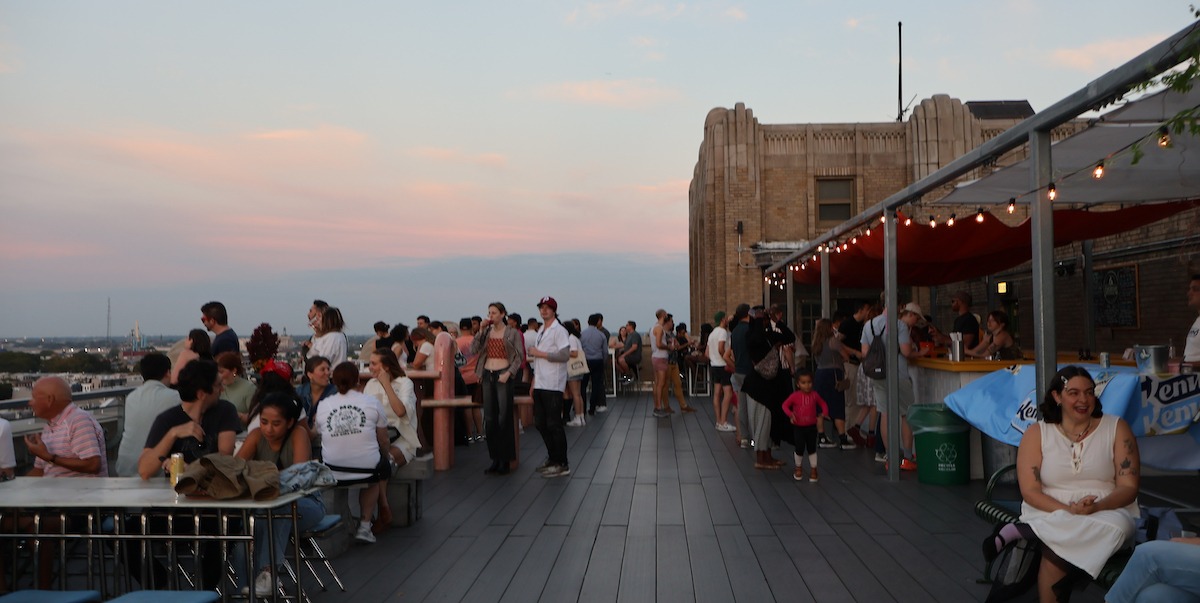


On her first official day as the owner of South Philly’s Bok Building, Lindsey Scannapieco gathered her team of four, grabbed a six-pack, climbed up to the former school’s roof — and waited for the sunset.
It’s wild to think about now, but that breathtaking view — 360 degrees of Philly’s skyline — wasn’t even a selling point when Scout, Scannapieco’s real estate development firm, purchased the building in 2015. “We had toured the building,” she recalls, “but always during the workday, always between 9 and 5. We were planning to open up this bar on top of the building — and we had never seen the sunset.”
That sunset has since become as iconic a photo opportunity as the Rocky steps or the Broad Street median in front of City Hall. (Don’t believe it? Check this list of Philly’s most Instagramable spots. Or this one.)
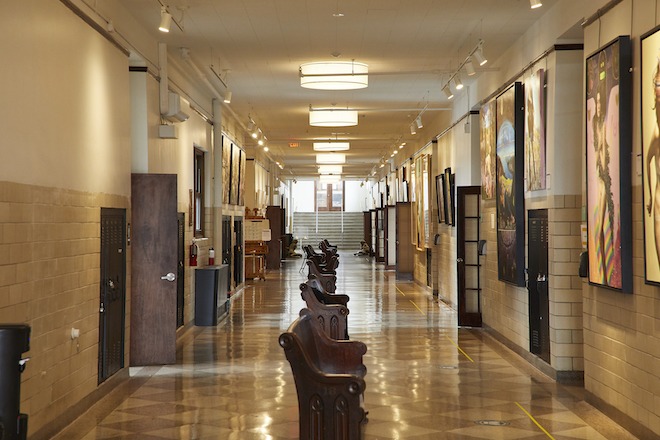
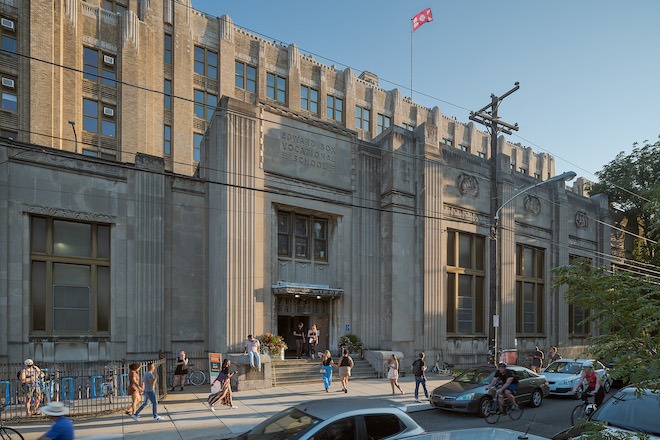
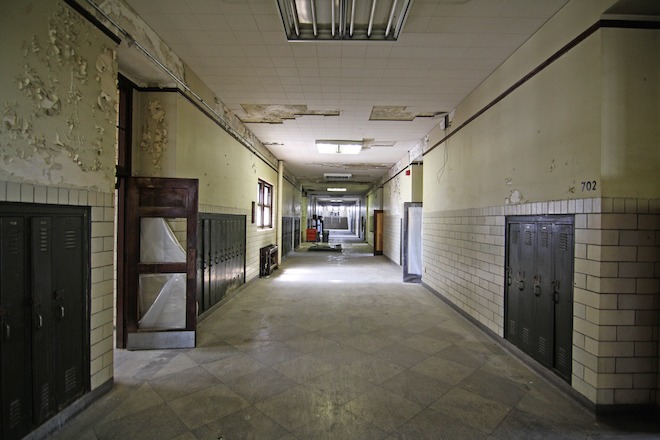
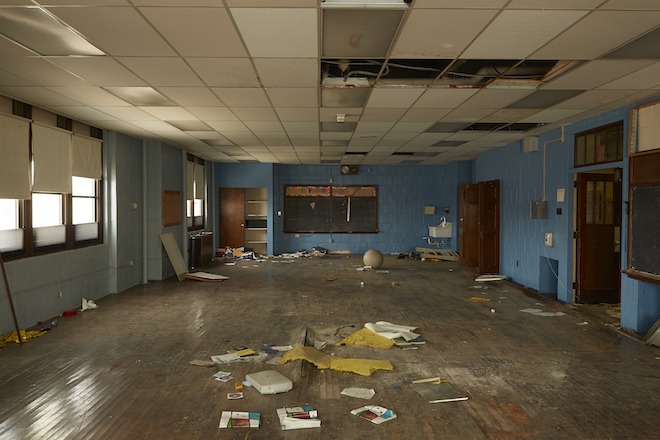
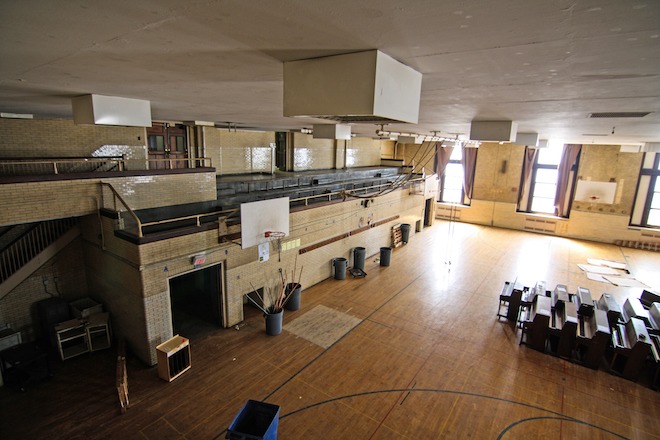
Ten years later, everything Bok would become — a rooftop bar that’s a summertime must-visit, a major makerspace for nonprofits, clothing designers, bakers and artists — feels just as quintessentially Philly. Those early days, when skeptics didn’t think Scout could turn the Art Deco, circa 1938 former vocational-technical high school into a home for small businesses and artists without gentrifying its South Philly neighborhood, feel distant.
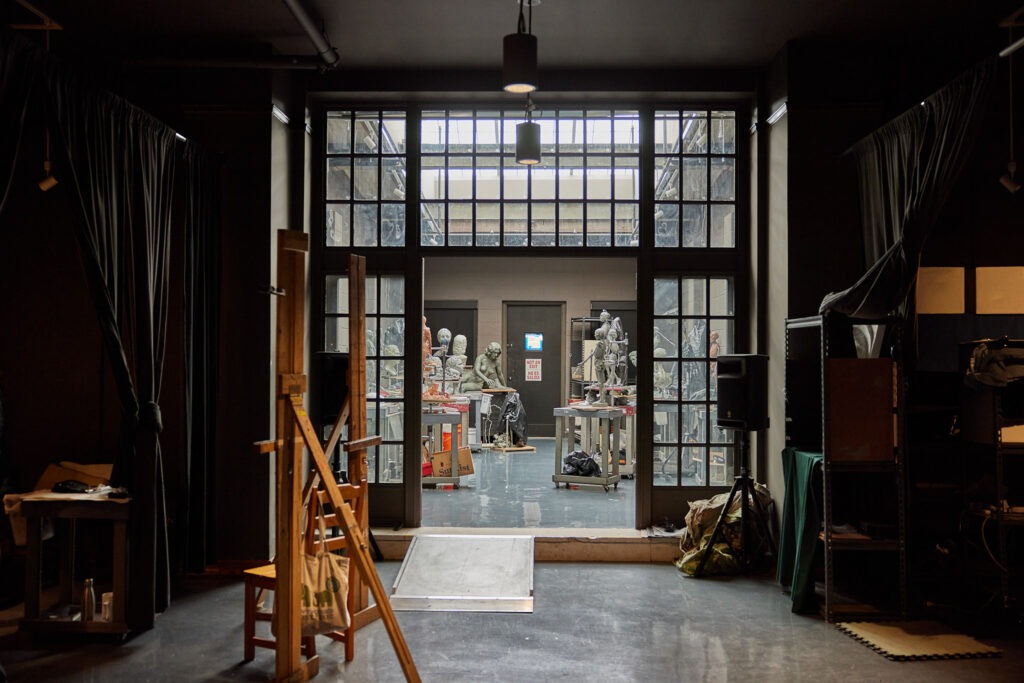
Last week, Scout released a report underscoring Bok’s impact: Artists, makers and creative enterprises lease three quarters of the space; nonprofits lease 20 percent. More than 60 percent of the tenants are women and minority-owned businesses; 40 percent of the 673 employees who work in Bok reside in South Philly.
From big ordeal to big deal
Spanning an entire city block, the nine-floor, 340,000 square-foot Bok building is a behemoth. “There were some times where I said, this is so much bigger than I think I realized I had taken on,” Scannepeico says.
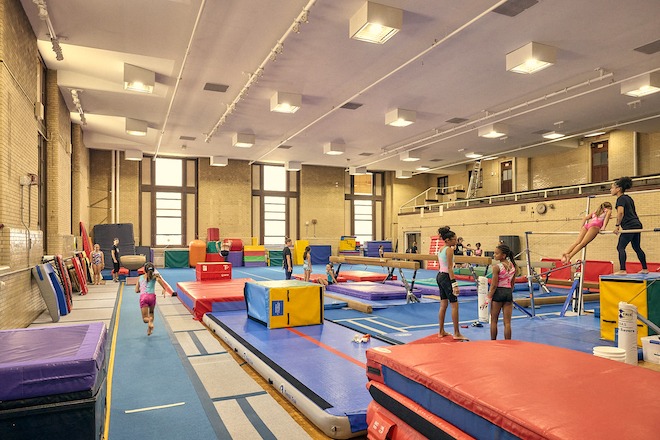
Right away, Scout opened Bok Bar, then called Le Bok Fin (a play on Philadelphia’s former Michelin-star French restaurant). Then came the tenants. Sustainable clothing brand Lobo Mau was first, then artists, bakeries, hair salons, tumbling gyms, nonprofits … By 2017, Bok was more than half occupied.
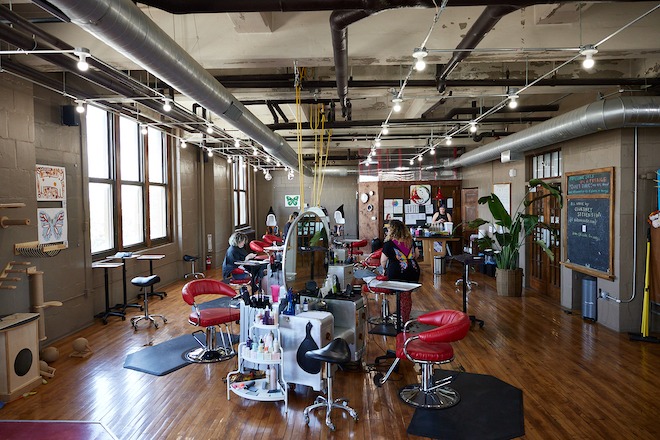
“It was everything I had imagined. It was active. It was alive. There were people working in the building. There were people growing their businesses, who had come into the building, started something, and all of a sudden I was seeing it on the shelves of Whole Foods or a boutique,” Scannepeico says. “And I was like, gosh, we have half the other building to go.” Today, the tenant waitlist is 400 people long.

Bok also started receiving national and international — not just local — acclaim. In 2020, it won a Congress of New Urbanism Charter Award for its adaptive reuse and neighborhood revitalization. The Dezeen Awards, which recognizes architecture, design and sustainability projects internationally, long-listed the building for a Rebirth Project award in 2022.
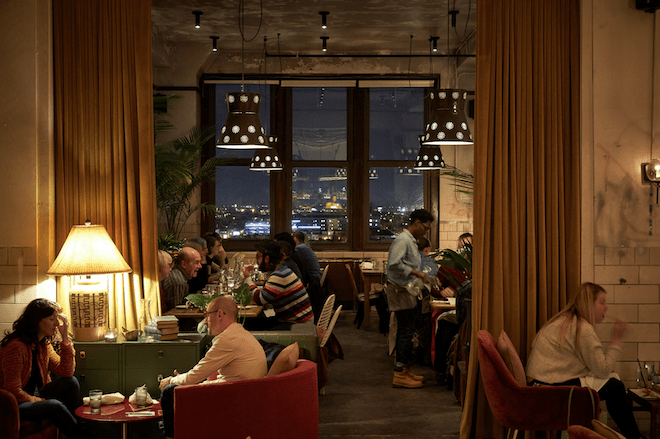
Maybe even a bigger deal was the anecdotal fame. Scannepieco was in Los Angeles visiting a friend when they overheard someone talking about Bok. “I remember just being in absolute shock and awe. I actually didn’t believe it,” Scannepieco says.

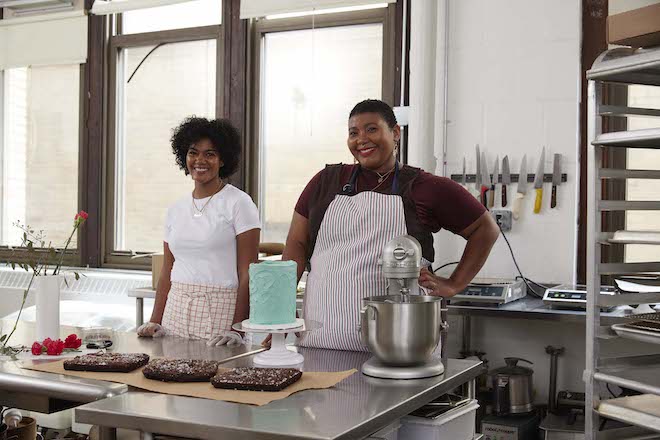
Businesses that grew upgraded to larger spaces. Between 2015 and 2018, 49 tenants increased their footprints, on average doubling in size. Machine Shop bakery opened as a two-person, 720-square-foot, fourth floor operation in 2016 — and became a 10-person, 1,751-square-foot, ground floor retail storefront in 2022, and Second Daughter Baking Co. took over their original space.
Why Bok works
One reason Bok has been able to support so many artists, nonprofits and small businesses is its affordable rents and short-term leases. Scout does not share rent rates, but Mark Christman, founder of the jazz music nonprofit Ars Nova, a Bok tenant going on 10 years, says his initial year lease was $5,000 or $6,000 per year. It’s increased since, but remains “in the four figures,” he says, for about a 300 square foot office space. The average commercial rent rate in Philly last year was $38.25 per square foot per year — which works out to around $11,000 per year for a 300 square foot space.
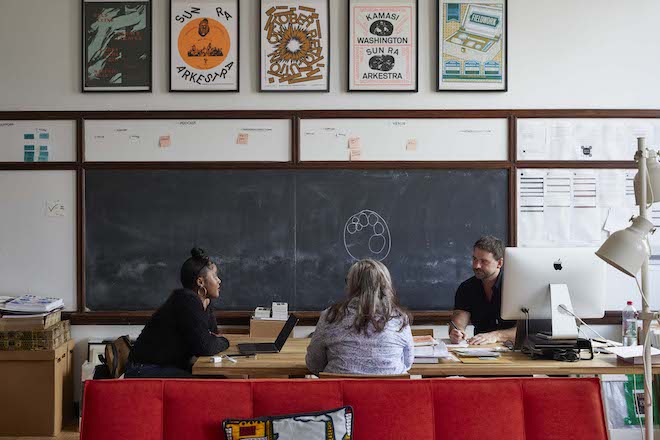
More than just a good deal, Bok offers a great community, says Christman: “I want to interact, talk to people, share and be in a more collaborative environment. Bok is definitely that.”
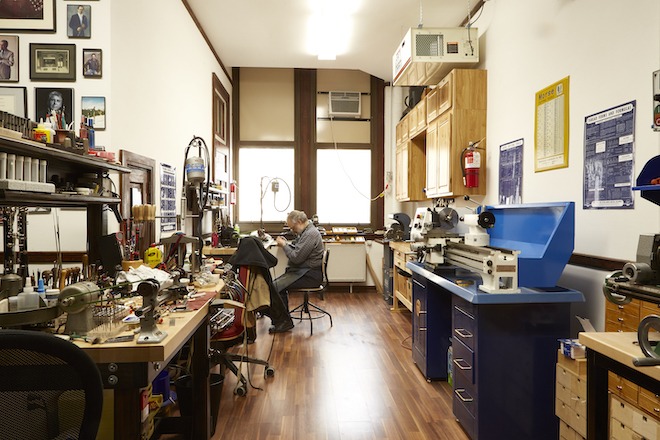
Collaboration examples abound. Girly pop accessories brand Room Shop (known for popularizing, if not launching, the giant scrunchies trend) partnered with Sabbatical Beauty on a lip tint. Lobo Mau has worked with their studio partner, sustainable rug company Tuft the World, to host rug-tufting workshops. Information collabs are even more frequent, the result of bumping into each other in a stairwell, or the coffee shop, or at pop-up events.
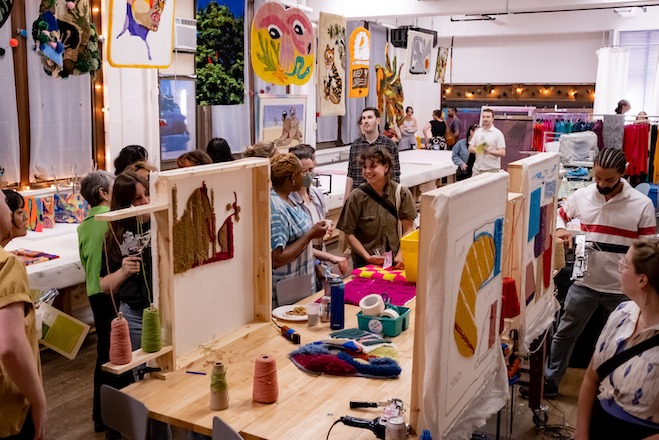
“We provide the physical space, but the thing that makes the building special is the people,” Scannepieco says. “Being a creative is often a very individual job. It can be very isolating … It’s really important to be around others and just be able to take a walk down the hallway when you’re stuck and see somebody else doing something that can inspire or push you, or just remind you why you’re doing what you’re doing.”
That community was critical during the pandemic. Ninety-eight percent of tenants who asked for help received grants from Scout, which helped keep turnover to under 5 percent of the square footage during the pandemic’s first 17 months, per reporting from Philadelphia magazine.
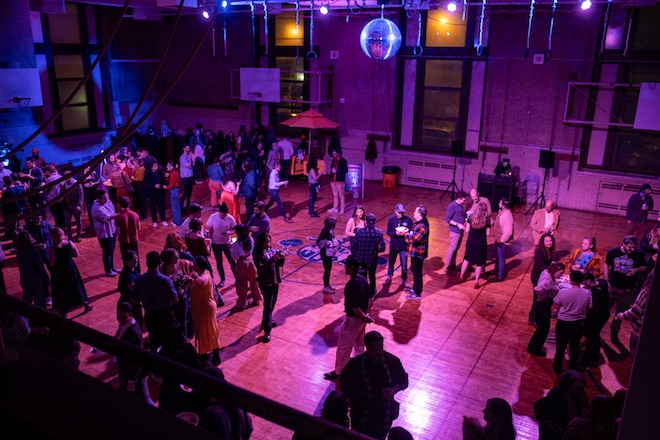
“I really do hand it to the management, because they’ve really created a community here. They really set the vibe. It feels curated,” says Erin Anderson, owner of Bok’s Fringe Hair Salon, which is located in the former school’s cosmetology classroom. “It’s a huge building. We’re basically like a whole neighborhood. So I’ve grown to love the tenants here.”
Icons in the making
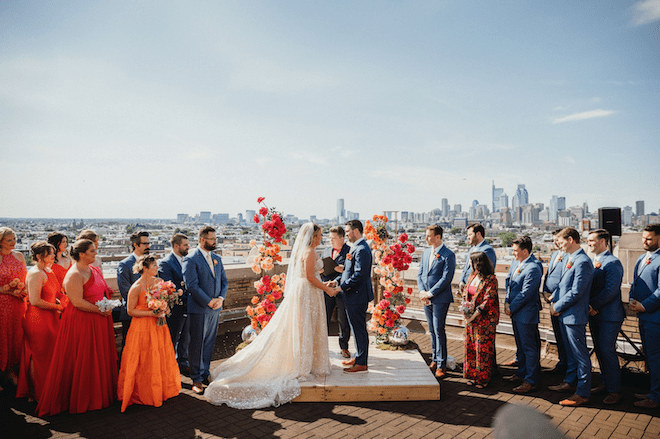
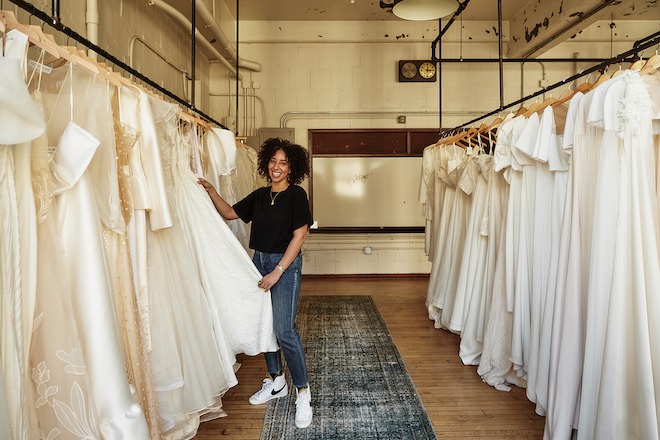
Bok has also become a backdrop for some of the most memorable moments in people’s lives. There are two bridal shops, Kinfolk Bride and The Law Bridal. Bok Bar has hosted countless rooftop proposals and more than a few weddings. People have shown Scannapieco their tattoos of the building.
Scout is on the cusp of another project that’s reminiscent of Bok: the redevelopment of historic Hamilton and Furness Halls in the former University of the Arts. This summer, after hosting a remembrance for the UArts community, Scout opened Frankie’s Summer Club, a garden serving drinks, soft serve and small bites, in Furness Hall’s courtyard. The plan is to turn the rest into an arts-centered development, with artist studios and makerspaces, and, unlike at Bok, actual housing.
“A lot of the approach — listening to the building, working with what’s already there, working with existing infrastructure — will certainly be the same,” Scannapieco says of the new-to-her buildings. Another difference, however: “This project is in a very different location. Yes, it’s in a neighborhood, but it’s also really accessible to all of Philadelphia. So I think we’ll have much more of a citywide impact,” she adds.
The project is just as, if not more, ambitious than her first. But her current tenants like Christman, have faith. “Lindsey really loves her city,” he says. “Sometimes it really is just about one person who has a specific vision and is really not so interested in giving up.”

As for Bok? They want to keep the magic alive. Of the four people who watched that first sunset on the roof, three still work at Scout. “There’s oftentimes magical spaces in cities, and they end up changing and facing pressures and disappearing,” Scannapieco says. “We’re all, you know, humans just trying to make dreams come true. That’s ultimately what it’s all about.”


MORE ARTS AND CULTURE IN PHILADELPHIA
Bok Bar at sunset. Photo by Joana Moono.