

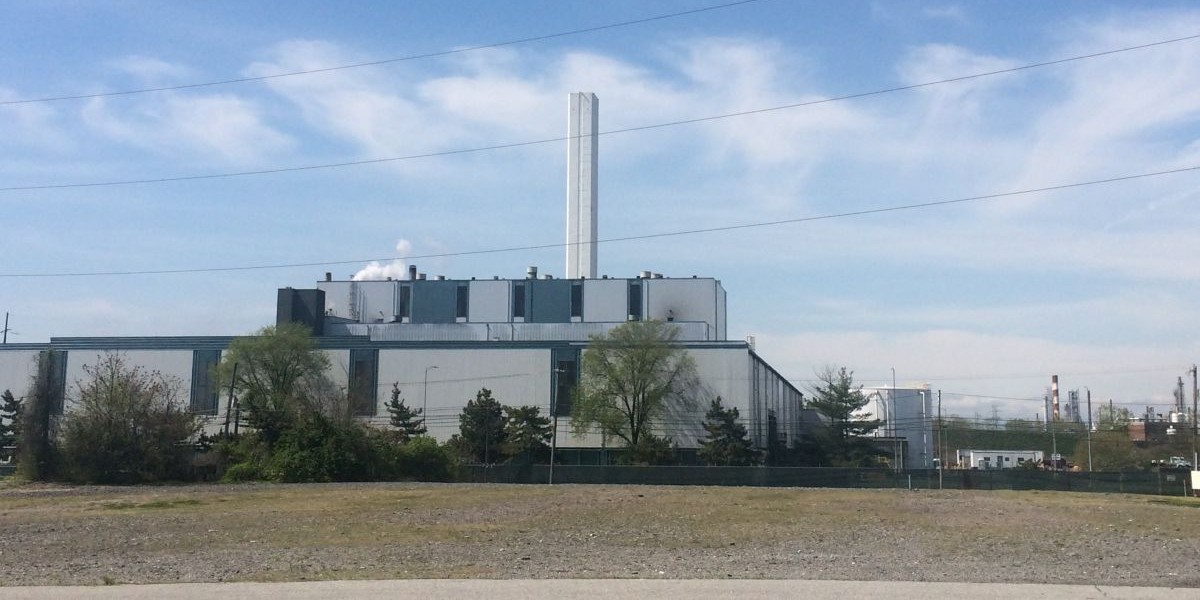


Philadelphia used to be littered with at least six trash incinerators, with the last two closing in 1988. That same year, construction began on a municipal waste incinerator in Chester, Pennsylvania, that was supposed to reignite the local economy. That facility became the largest municipal solid waste incinerator in the country and would come to define the environmental racism taking place in Chester, a currently bankrupt municipality with a 27 percent pediatric asthma rate that is more than four times the national average.
Councilperson Jamie Gauthier’s new bill, the Stop Trashing Our Air Act, can finally end the dangerous practice of incinerating Philadelphia’s trash and usher in an era of more responsible waste management.
Philadelphia sends about one-third of its trash to be incinerated in Chester with small amounts of trash going to other incinerators in the region. Philadelphia additionally landfills a little more than half of its trash, alongside the ash of the incinerated trash. Chester’s waste incinerator is now owned by Reworld (formerly Covanta) and constantly operates in High Priority Violation of the Clean Air Act – meaning Reworld consistently does not follow operating conditions specified in its air permit. In May, the facility received a violation notice from the Pennsylvania Department of Environmental Protection (DEP) for not monitoring radioactive waste onsite.
The central danger of waste incineration is that we simply don’t know what is in the waste stream, so we also don’t know what’s in Reworld’s air pollution. Reworld inspects fewer than 5 percent of trucks that enter the facility and no bags are opened during those inspections. Reworld also only tests its air pollution for dangerous heavy metals like lead, cadmium, and mercury once a year. Reworld boasts that it recovers metals from its waste stream, but it does this after the waste is incinerated — which means heavy metals in the facility’s waste stream are airborne.
Ending this intense pollution by composting what we can and landfilling what we can’t is a positive step toward a more sustainable and just system.
This is why landfilling is a safer alternative. In a landfill, waste is kept in place. At an incinerator, toxins in the waste stream are sent into our air, and the resulting ash is landfilled. Both options cost about the same, which means that ending waste incineration should not cost Philadelphia more. By ending waste incineration, the City of Philadelphia can do its part to improve regional air quality in a state that imports more trash than any other.
In addition to Reworld, there are five other waste incinerators east of Harrisburg that outline the Southeast Pennsylvania region, three of which also operate in High Priority Violation of the Clean Air Act. These facilities and others contribute to Philadelphia’s poor air quality. The five-county Southeast Pennsylvania region fails the U.S. Environmental Protection Agency’s (EPA) 2015 ground-level-ozone standard, and in 2024, EPA downgraded the region’s air quality from “moderate” to “serious” nonattainment of this standard. This means our air quality is getting worse! Philadelphia and Delaware Counties (where Chester is) are also slated to fail EPA’s 2024 standard for particulate matter 2.5 pollution, commonly known as soot. Philadelphia and Delaware Counties are the only major metropolitan area in the Northeast to fail this standard. New York City, Boston, Baltimore, and Washington, D.C., all pass EPA’s 2024 particulate matter 2.5 pollution standard and all have lower pediatric asthma rates than Philadelphia and Chester.
As the City of Philadelphia’s waste disposal contract expires at the end of June 2026, it’s time to choose healthier solutions. The Stop Trashing Our Air Act is undeniably a healthier path. This bill is scheduled to be heard in the Committee on the Environment on Monday, November 17.
Ending this intense pollution by composting what we can and landfilling what we can’t is a positive step toward a more sustainable and just system. Community Compost sites are already operating across the city, supported by the Department of Parks and Recreation. Philadelphians who want cleaner air for ourselves and our neighbors should support expanding access to composting and the Stop Trashing Our Air Act.
Do Something: Tell your City Council members about the Stop Trashing Our Air Act.
Russell Zerbo is an advocate at the Clean Air Council.
The Citizen welcomes guest commentary from community members who stipulate to the best of their ability that it is fact-based and non-defamatory.
 MORE ON HANDLING TRASH IN PHILLY