

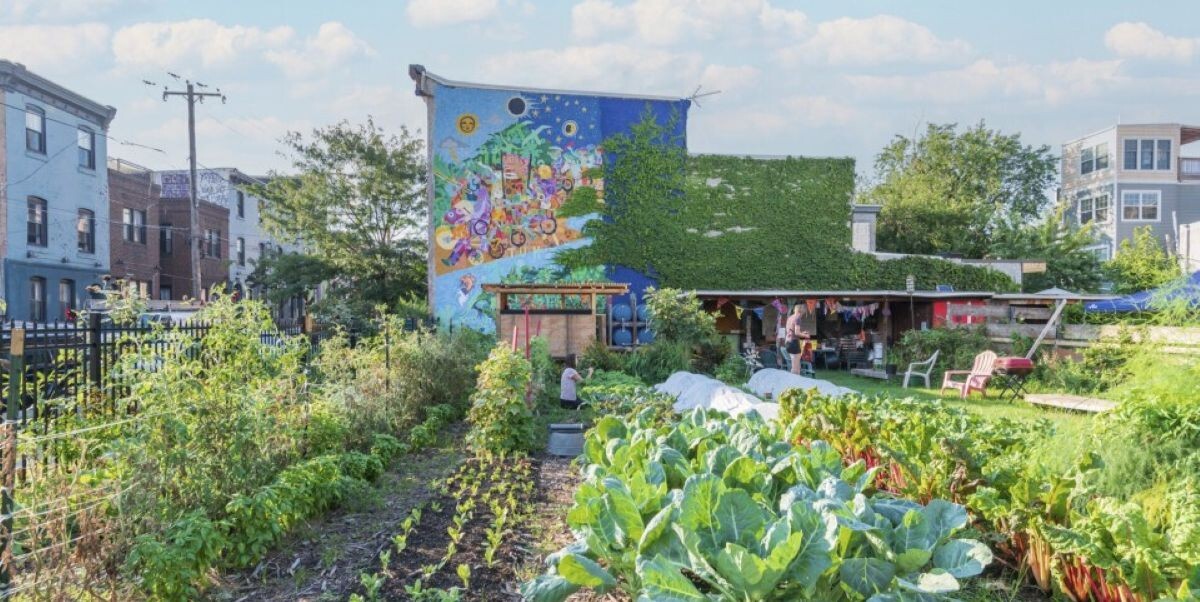


Grow On!
Tend your plot with a little help from these plant and seed pros.
For Native Plants … Bartram’s Garden
On April 18th, the oldest surviving botanical garden in the United States kicks off a new season for their plant nursery during their annual Spring Fest. A variety of seedlings will be for sale, but you’ll want to make a beeline for the native plants — their specialty — like clasping coneflower, which draw natural pollinators to your plot. Southwest Philly.
For a Bargain … Free Library of Philadelphia’s Free Seed Library
Book it to the Parkway Central and West Philly branches, where seed libraries are available at no cost to anyone who wants to grow their own vegetables and herbs. They also offer gratis beginner-friendly workshops on everything from container gardening to composting. Don’t forget to save seeds from your harvest (they have classes on how to do that, too) to help keep the library stocked for next season. Logan Circle; West Philly.
For Veg Heads … Burpee
Born right in Warminster, venerable mail-order force Burpee turns 150 this year — and celebrates the nation’s 250th with a series of special collections, like Martha Washington’s Kitchen Garden. It’s also got buy-one-get-one flower and veg seed sales right when you need them (in late winter), online articles from beginner-level (“How to Start a Garden”) to hyper-specific (“Learn About Ammi Majus”), and 115 kinds of tomato seeds and 56 kinds of tomato plants.
For Garden Gear … Magnolia Garden Village
For more than 50 years, this South Jersey nursery has been helping folks start their potted gardens. It has a wide array of colorful pots that come in all shapes and sizes as well as a plethora of seedlings to go with them. Plus, you can enjoy a cup of coffee from their cafe while you peruse. Magnolia.
For Rare Seeds … Truelove Seeds
Every seed has a story, and it’s Roxborough-based Truelove’s mission to share them with gardeners. Focused on preserving culturally significant foods, their vast collection features lesser-known varietals — like intore eggplant from Africa and Southeast Asian winter melon — that will bring distinct new flavors to your crop. Even better? Your purchase helps bring these heritage foods to the communities that need them. Online; garden centers around the region.
For Superior Service … Primex Garden Center
This eight-decade-old family-owned business has stellar six-packs, shrubs, trees, and houseplants, plus classes like Seed Starting and DIY Tropical Terrarium, resources that include a guide to local native plants, delivery for heavy-lift supplies, a rewards program that earns you store credit, and even a “garden coach” who’ll come right to your yard. (Score!) Glenside.
For Fruit Trees … Urban Jungle
This garden center and nursery has everything you need for your patio or rooftop garden, and it’s the perfect place to get fig and citrus trees. Both potted plants love the sun in summer and add a pop of greenery when you bring them inside for the winter. East Passyunk; Pennsport.
Ripe for the Picking
The Philadelphia Orchard Project has some tips for branching out.
Picking your own fruit right out of your garden isn’t an impossible dream. In fact, the honchos at the Philadelphia Orchard Project — which uses the city’s vacant lots to combat food poverty — promise that a juicy harvest is within reach, if you plant wisely. Vikram Krishnamurthy, POP’s executive director, suggests beginning with fruiting vines and bushes rather than trees: “Blueberries are native shrubs that support pollinators, tolerate shade and moist or even wet areas, and have beautiful fall foliage. Blackberries are also easy to grow and provide a steady source of fruit.” Once you’re ready to raise the stakes, says POP director of horticulture Phil Forsyth, easygoing trees include figs and persimmons, which may not be as familiar as apples or cherries but are far more likely to succeed in a city yard. Looking for something more familiar? Krishnamurthy points to the Asian pear: “It’s a productive, tough fruit tree that thrives in our area, bears relatively early in its lifespan, and doesn’t have serious pest or disease problems.” If you’re still unsure, check out the map of POP orchards with a host of resources and programming at phillyorchards.org.
So You Want to Start a Community Garden?
Good for you! The city’s chock-full of resources to help. There’s a Parks & Rec program, FarmPhilly, that promotes urban farming on city-owned land; the Neighborhood Gardens Trust, which has worked to acquire dozens of showpiece plots and is looking for more; and the Pennsylvania Horticultural Society, the oldest in the nation, which is a font of info and help. Many local community gardens have (sometimes lengthy) waiting lists, and they’re often locked (to prevent pilfering!), but getting inspo through the fences is free and easy. A few faves:
Summer Winter Community Garden
For nearly 50 years, showing off fruit groves, veggie beds, and blossoms galore. 3200 block of Race Street.
Corinthian Gardens
An unexpected treasure at Eastern State Penitentiary, with bushes and trees brimming with berries, fruits, and nuts, and a play area for kiddos. 2198 Brown Street.
Brewerytown Garden
Busy and well-organized, with a summer farmers market and a farm-share program. 27th and Master streets.
Schuylkill River Park Community Garden
A true community hub, right along the river. 25th and Spruce streets.
Girard Garden
Well-kept plots on the grounds of the Philadelphia Technician Training Institute. 1901 West Girard Avenue.
The Spring Gardens
Bright, colorful beds with handsome iron gates; regularly wins garden contests. 1832 North Street.
Capitolo Community Garden
A bit of everything in South Philly, with shared compost bins and a Little Free Library. 9th and Federal streets.
Gone to Pot: Start Your Container Garden
Container gardens — you know, those picture-perfect oases people build out of potted plants — bring greenery to your patio, fresh veggies to your table, and the joy of gardening to a largely yardless city. But before you buy pots and seedlings, hatch a plan for your springtime project. “There are a few things you have to consider before you start,” says Celeste Starita, director of operations for Urban Jungle. First, she says, think about how much light you’re getting. The crops and their pots? Those come next — take Starita’s advice, and you’ll have bountiful results.
Rosemary
The perfect accompaniment to roasted and grilled meats, this is a full-sun-loving herb that thrives in dry, hot weather, needs a pot with lots of drainage holes, and should be brought in during the winter.
Tomatoes
Sun-loving cherry tomatoes will thrive on a south-facing patio. Plant them in a narrow pot that’s at least 18 inches tall, and support with a tomato cage.
Basil
Just like in the kitchen, basil and tomatoes are best friends, so you can plant them together in the same pot. Bonus: Basil flowers attract pollinators, and the scent of the leaves deters pests.
Cucumber
Smaller vegetables work best in pots, so planting a pickling cucumber should lead to a great yield. Just be sure to give it a trellis. It likes to climb!
Peppers
Not surprisingly, both sweet and hot peppers are sun worshippers. But take note: Potted plants (not just peppers) dry out quickly in the heat, so water your plants in the morning and evening.
Lettuces
For low light and cooler temperatures, lettuces like mesclun and red leaf are ideal for spring and fall. You can start them from seed in a pot. They grow quickly and produce salad-ready greens for weeks.
Garlic
When you’re prepping for winter, plant some garlic cloves. By early spring you’ll have garlic scapes, and later in the season you’ll have full bulbs.
Oregano
The flavorful, aromatic, and hardy herb tends to take over whatever it’s planted in, so put it in its own pot.
Crop Stars: Make Your Garden a Pollinator Paradise
Pandora Young, the senior land stewardship technician at Longwood Gardens in Kennett Square, shares how to make your garden a pollinator paradise.
Don’t just focus on your harvest. You need plants that will attract pollinators to your garden. Without pollinators, your plants won’t go to fruit.
Grow native species. Our native plants have co
Diversify. Did you know that PA has more than 400 species of bees? By incorporating various native plants, you’ll attract different kinds of pollinators — like those bees — and create a healthy ecosystem.
Invite pollinators to make themselves at home. Create an environment that hosts caterpillars, bees, and hummingbirds throughout their life cycles by offering them places to nest.
Remember: Pollinators do more than spread pollen. Some like making lunch out of the things you don’t want in your garden. Ladybug larvae are voracious aphid eaters, and solitary wasps love feasting on invasive Japanese beetle grubs.
How to Be a Pit Stop for Pollinators Throughout the Year
Spring
Long-tongue bees love the Virginia bluebell, an ephemeral, showy early-spring flower.
Summer
From spring through early fall, coral honeysuckle is a favorite among hummingbirds, butterflies, and hummingbird moths.
Fall
Come autumn, the witch hazel shrub’s blooms are abuzz with bees.
Winter
The hollow stems of wild bergamot make a cozy home for solitary bees, so during fall, cut the plant back a few feet from the ground.
Published as “Garden of Eating” in the April 2026 issue of Philadelphia magazine.