

Topic: labor
Your Weekly Guide to Surviving the News
Iran from both sides, bingeing birthright citizenship, the fun of freelancing, more stories that explain what happened this week
By The Philadelphia Citizen Staff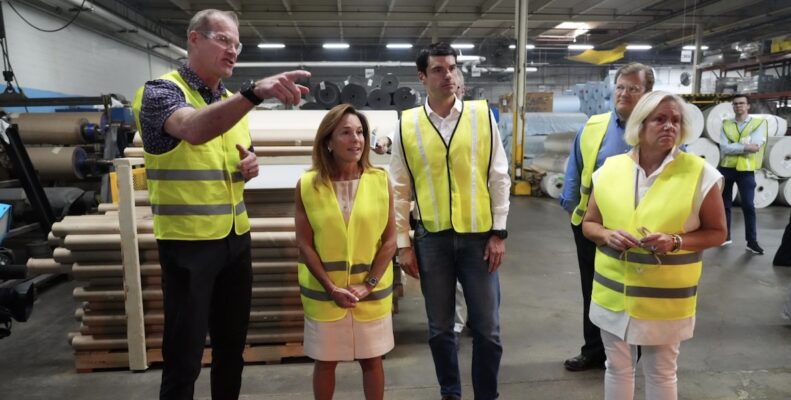
“Then. Now. Tomorrow.”
Representatives of the National Association of Manufacturers — coming to Carpenters’ Hall this week — encourage less regulation and more innovation as a path to the next 250 years
By Jay Timmons and David Taylor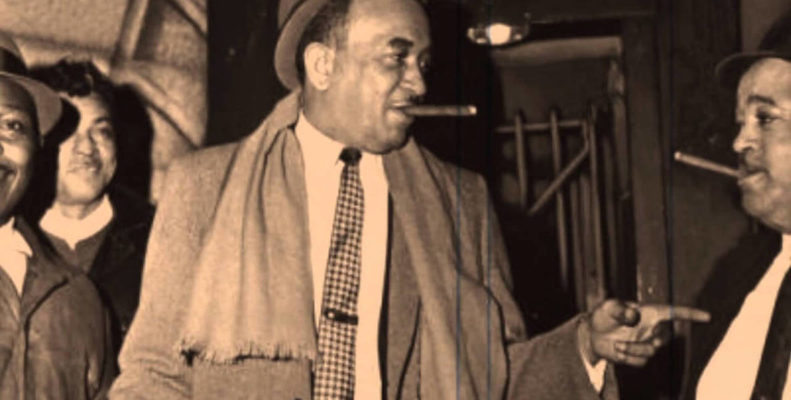
The Legacy We Inherit
Honoring Philadelphia's Black labor history and fighting for the future of the Black workers
By Brittany Alston and Kendra Bozarth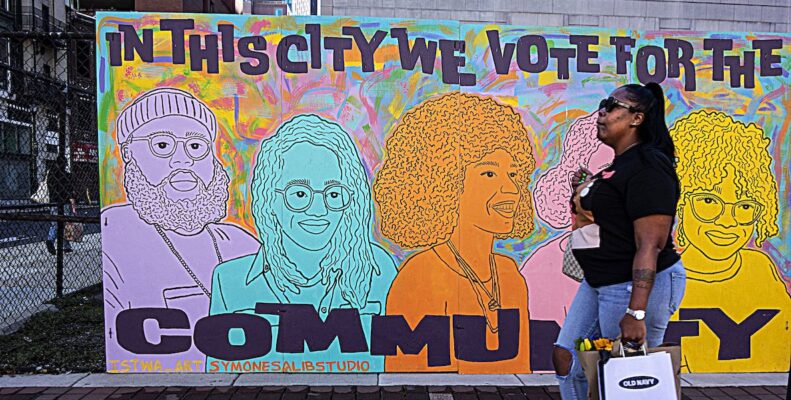
Let All Workers Vote
Philly’s AFL-CIO President represents 150,000 union members — many of whom can’t vote in primaries because they are registered as Independents. He demands their right to cast a ballot
By Daniel P. Bauder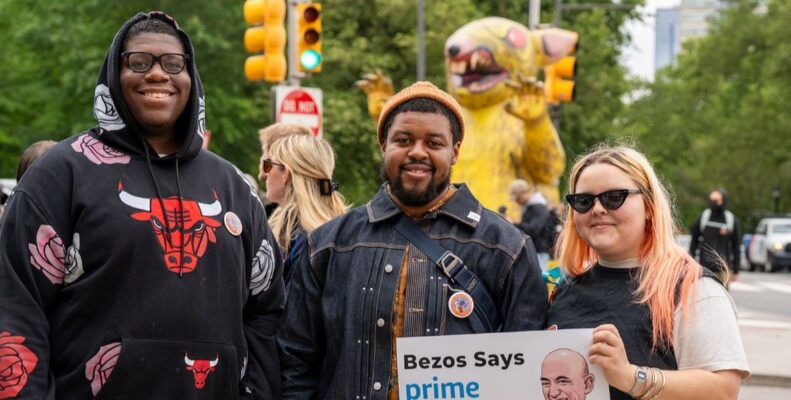
What Whole Foods Workers Want You to Know This Thanksgiving
Workers like this one at the Amazon-owned grocery in Fairmount voted to unionize this year. They are still waiting for a contract — and a living wage
By Mase Veney
Will AI Widen — or Close — Philly’s Racial Wealth Gap?
The choice, says a local Black business networking executive, is ours. Here’s what we need to do now
By Senzwa Ntshepe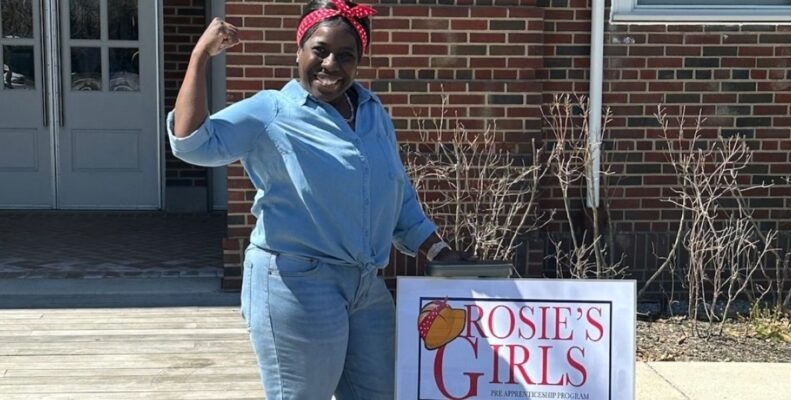
A Modern Day Rosie The Riveter
Trailblazer Elaine McGuire is leading the charge to attract and train more electricians like her: Black women.
By Courtney DuChene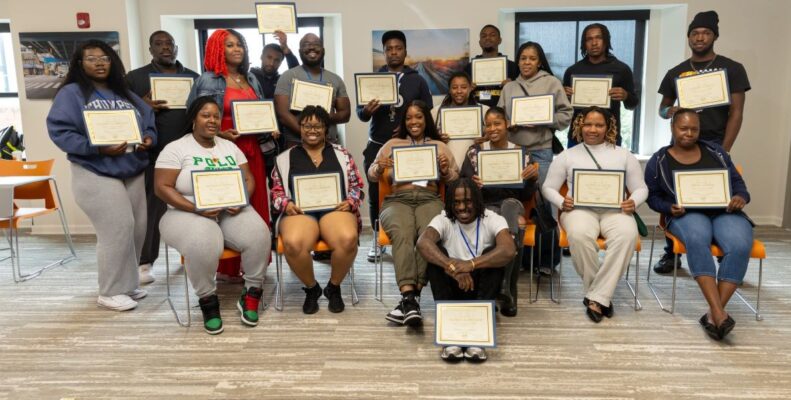
The Skills Initiative is an Idea Worth Stealing
In partnership with Accelerator for America, the West Philly-based jobs training program is sharing its successful model across the country — starting with our Super Bowl rival Kansas City
By Courtney DuChene
Ali Velshi Asks if Medicaid Recipients Can Just Replace Farm Workers
The MSNBC host and Citizen board member covers how Agriculture Secretary Brooke Rollins believes immigrant farm workers can be replaced by Medicaid recipients
By Ali Velshi
What Does Last Week’s Municipal Workers’ Strike Mean for Labor?
Foremost local labor expert Francis Ryan puts the now-ended DC 33 work stoppage into context, both historically — and for the future
By Olivia Loudon