



Two months before his assassination, conservative activist Charlie Kirk was caricatured on South Park, the animated series that is no-holds barred using humor to make fun of President Trump and his MAGA crowd.
Kirk’s response? Delight.
Listen to the audio edition here:
He told FOX News Digital in July that it was a “badge of honor” and then went on:
We as conservatives need to be able to take a joke. We shouldn’t take ourselves so seriously. That’s something that the left has always done, to great detriment to themselves and the movement. Look, they’re professional comedians. They’re probably going to roast me, and I think that’s fine. That’s what it’s all about, being in public life and making a difference.
Of all the lessons Americans have taken away from Kirk’s murder, this apparently is not one of them.
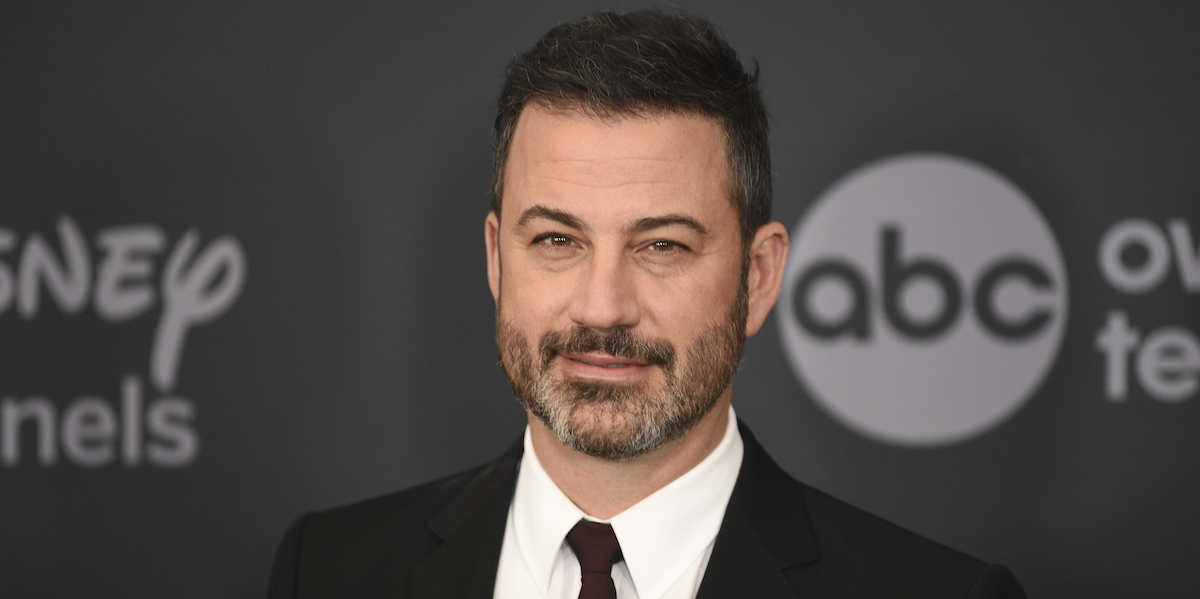
Caving to not-so-veiled threats from the Federal Communications Commission, ABC this week cancelled Jimmy Kimmel Live after the late night host made a joke about Tyler Robinson, Kirk’s accused murderer. That joke was both barely funny and fairly innocuous: “We hit some new lows over the weekend with the MAGA gang desperately trying to characterize this kid who murdered Charlie Kirk as anything other than one of them, and doing everything they can to score political points from it.”
Shortly after, as The New York Times reported, FCC Chairman Brendan Carr told a conservative podcast host: “Frankly, when you see stuff like this — I mean, we can do this the easy way or the hard way. These companies can find ways to change conduct and take action, frankly, on Kimmel, or there’s going to be additional work for the F.C.C. ahead.”
“We’re at a different point in time now in terms of our approach to shutting up critics, where we have to be more subtle and sophisticated. The corporate networks are being used to impose the pressure.” — Laura Little, Temple Law
And just like that, the Walt Disney Company-owned ABC — which had already settled a Trump lawsuit for $16 million — suspended Kimmel’s show. Trump applauded the move, and warned the other late night hosts that they could be next. It was the latest success for an administration intent on silencing anyone who disagrees with Trump, be they bureaucrats behind the scenes or journalists on the front lines. (Trump sued the Times this week, too.)
Temple Law Professor Laura Little is author of Guilty Pleasures: Comedy and Law in America, and co-author of a blog, Forhum, in which she wrote about the dampening effect of Trump on comedy today, in the wake of CBS cancelling Stephen Colbert’s Late Show:
Dictators and oligarchs around the world have recently flexed extra muscle to target and silence humor that mocks them. President Donald Trump has embraced that approach, and one can see the consequences in the United States. Some comedians have started to walk on eggshells (or at least make jokes about the eggshells) and mainstream journalists are treading lightly — all in fear that they are one punchline away from a presidential lawsuit or cancellation by their retribution-fearing corporate sponsors. Such is the case with a major television network’s decision to cancel a late-night show featuring the beloved comedian-commentator, Stephen Colbert. Despite CBS’s claim that the decision to cancel The Late Show was financial … it is lost on no one that the cancellation came on the heels of a quip by Colbert that his sponsor’s decision to settle a defamation suit with Donald Trump was no more than a “big fat bribe.”
I checked in with Little on Thursday to talk about what these episodes say about the state of free speech in America today.
From what you can tell, is the cancelling of Jimmy Kimmel’s show an attack on the comedian’s First Amendment rights?
Well, it depends on the judge you get. The First Amendment is part of the Bill of Rights, which are supposed to be protections of an individual from the exploitation of government. There are some types of humor the law protects, like parody. There are other types of humor the law punishes, like mean-spirited humor — a lot of sexual harassment, for example, is very edgy jokes.
In this case, the FCC comments smell like a government threat. But there’s an intervening private actor, which is the corporation Kimmel works for. That makes it more tenuous to make it about government involvement.
That also makes it scarier to me. This is a corporation caving to government threats — again.
I agree! It’s sneakier, and more well-developed in terms of tactics, which makes it harder to respond to.
The thing that’s so upsetting to me is that comedy / humor is really important to human interaction and particularly for a society that is having trouble getting along and coping with accepting what’s going on in their government. It’s a way to process and critique, stay up on the news that’s not as painful as reading straight news.
One of the things that may be really threatening to the government, is that people — especially young people — get their news from late night television. That’s a primary source of finding out what’s happening in a less anxiety-provoking way, but it also informs in a way that the government’s not happy about at the moment.
That’s why being able to additionally isolate it through private business makes me even more sad, that we can’t stop that kind of intimidation.
Charlie Kirk himself was parodied on South Park recently, and celebrated it. That seems contrary to what happened with Kimmel.
South Park is interesting. If you compare what South Park is doing to what Colbert and Kimmel have done, those guys are not nearly as intense in their criticism. South Park has somehow been so successful in doing what South Park is doing, even though the show is associated with another corporation, Paramount. Maybe they had good fortune, or brilliance in how they crafted the commitment with the company, but something is different between that show and Kimmel.
The most famous example of a comedian being targeted by the U.S. government is, of course, Lenny Bruce, who was arrested multiple times and convicted of violating obscenity laws in the 1960s. How is this different?
That just seems like a different time, when the government had obscenity regulations that were being challenged. Ultimately the court changed the obscenity law, but culture changed, too. We’re at a different point in time now in terms of our approach to shutting up critics, where we have to be more subtle and sophisticated. The corporate networks are being used to impose the pressure, which in the time of Lenny Bruce, the government did not need to do.
 MORE ON FREE SPEECH FROM THE CITIZEN