


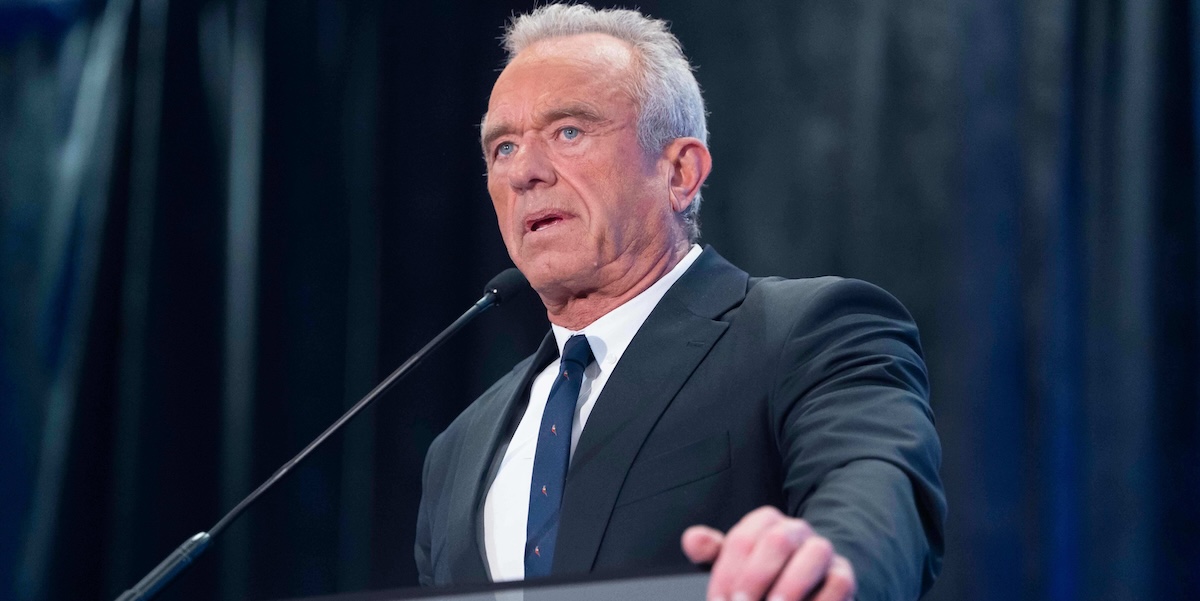


On June 9, 2025, Robert F. Kennedy Jr. fired the 17 experts that served on the CDC’s Advisory Committee on Immunization Practices (ACIP). Two days later, he replaced them with people who, like him, had been anti-vaccine and anti-science. A few weeks later, on July 1, 2025, RFK Jr. told Tucker Carlson that “we need to stop trusting experts.” In his revamped ACIP, RFK Jr. has gotten his wish. Unfortunately, because these non-experts are now making policy decisions, we are forced to trust them. Even though their lack of expertise has put our children at unnecessary risk.
Listen to the audio edition here:
On December 5, 2025, RFK Jr.’s ACIP reconsidered the hepatitis B vaccine birth dose. They reaffirmed the birth dose recommendation for all infants whose mothers were found to have been infected with hepatitis B virus during a first trimester screening test and for infants whose mother’s testing status was unknown. Maintaining the previous birth dose recommendation in these situations was easy. About 90 percent of infants infected with hepatitis B virus at birth will develop cirrhosis or liver cancer.
Then they crossed a line, arguing that babies born to mothers who were not infected with hepatitis B virus didn’t need a vaccine. Parents could decide whether to get the vaccine or not, but in either case should wait until at least two months of age. To understand why this was a dangerously uninformed decision, we need to go back to the beginning.
The hepatitis B vaccine was first licensed in 1981. One year later, in 1982, the CDC recommended a birth dose before leaving the hospital for all babies born to mothers infected with hepatitis B virus during first-trimester screening. The birth dose recommendation in 1982 didn’t make much of a dent on the incidence of hepatitis B infection. In response, in 1988, the CDC expanded the birth dose to include racial and ethnic groups at highest risk of hepatitis B virus infection (such as Alaskan Natives and Southeast Asian refugees). Again, not much impact. The RFK Jr.-led ACIP now wants us to go back to a program that between 1982 and 1991 failed to dramatically lower the incidence of hepatitis B infections in young children.
One can only hope that healthcare providers embrace the AAP recommendations, reject the ACIP recommendations, and do what’s best for America’s children.
In 1991, the CDC further expanded its birth dose to all U.S. newborns. At the time, about 30,000 children less than 10 years of age were infected with hepatitis B virus. About half of those children were infected from their mother, but the other half weren’t. These other 15,000 children less than 10 years old weren’t sex workers and they weren’t intravenous drug users. Rather, they got infected from relatively casual contact with one of the millions of people in the United States who were chronically infected with hepatitis B virus. The source of infection could be shared towels, washcloths, nail clippers, toothbrushes or even partially eaten food or candies. More than half of those with chronic hepatitis B infection with whom the children had come in contact didn’t know they were infected. Worse, children who are infected with hepatitis B virus between 1 and 5 years of age have a 25 percent chance of suffering chronic liver damage or liver cancer later in life. The change to a universal birth dose decreased the incidence of hepatitis B infections in children by more than 99 percent, a remarkable achievement.
Why did the RFK Jr.’s ACIP ignore these facts? One presentation turned the tide. Cynthia Nevison, a climate change and autism researcher from the University of Colorado with ties to the anti-vaccine movement, claimed that transmission within families did not apply “to the average American child.” Nevison had ignored the 1991 data showing that thousands of American children had acquired hepatitis B infections from sources other than their mothers.
To their credit, the American Academy of Pediatrics (AAP) immediately stood up for America’s children. “This irresponsible and purposely misleading guidance will lead to more hepatitis B infections in infants and children,” said AAP President Dr. Susan Kressly. “I want to reassure parents and clinicians that there is no new or concerning information about the hepatitis B vaccine that is prompting this change, nor has children’s risk of contracting hepatitis B changed. Instead, this is the result of a deliberate strategy to sow fear and distrust among families.”
One can only hope that healthcare providers embrace the AAP recommendations, reject the ACIP recommendations, and do what’s best for America’s children.
Paul A. Offit, MD, is director of the Vaccine Education Center and professor of pediatrics in the Division of Infectious Diseases at Children’s Hospital of Philadelphia. This piece originally ran on his Substack, Beyond the Noise!
The Citizen welcomes guest commentary from community members who stipulate to the best of their ability that it is fact-based and non-defamatory.
 MORE FROM PAUL OFFIT, MD