

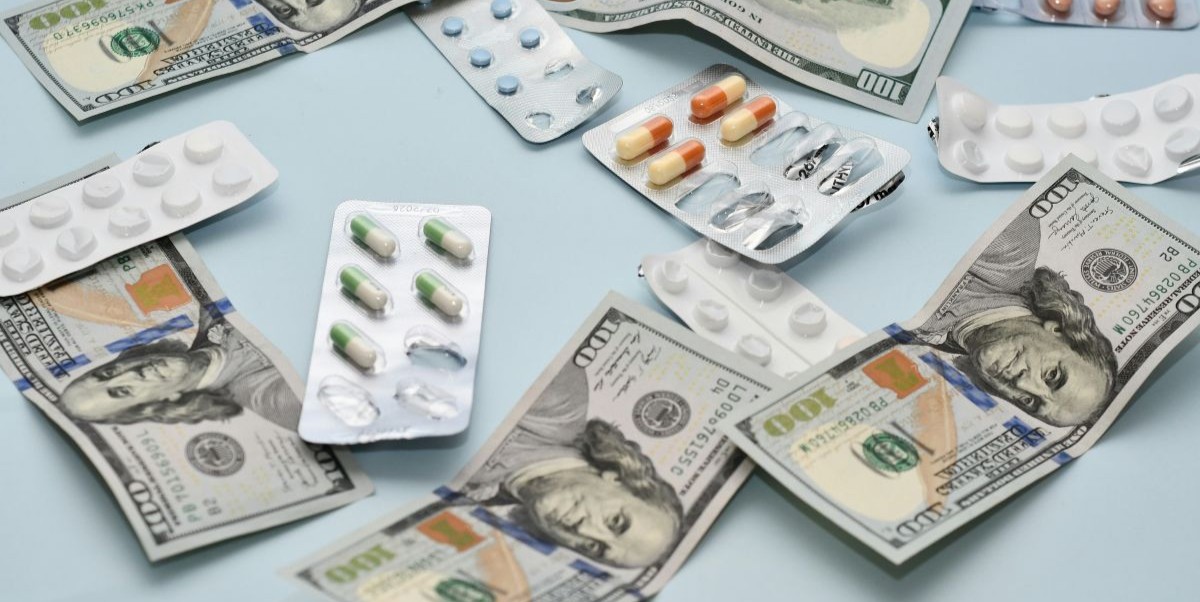


Pennsylvania is due to receive $2.2 billion dollars from the national opioid settlements, and a new database shows the public where that money is going.
Starting in 2021, a national, bipartisan coalition of attorneys general, including now-PA Governor Josh Shapiro, reached settlements with opioid manufacturers and distributors who had directly contributed to the opioid addiction crisis.
That year, over 5,000 Pennsylvanians died from unintended drug overdoses. That number has since dropped, falling to about 3,300 in 2024.
The opioid settlement payments, which began in 2022 and are slated to continue until 2038, are supposed to fund opioid overdose prevention, treatment, harm reduction, recovery support and other programs. This includes a broad array of interventions in PA, from first-responder training for law enforcement to handle people who have overdosed to stigma reduction education and support for medication-assisted treatment, to name a few.
We are researchers from Penn State University, Temple University and the University of Pittsburgh who helped build a website, which launched in August 2025, that publishes and tracks opioid settlement fund spending data in PA.
We are partnering with the PA Opioid Misuse and Addiction Abatement Trust, the County Commissioners Association of PA and the PA Career Development Association. Our team receives funding through the PA Opioid Misuse and Addiction Abatement Trust to help the trust with data collection, analysis and web design. However, our website is separate and independent from the trust.
Here are five things we believe PA residents ought to know about the spending data, and how it can be used to improve public health:
1. Counties are in the driver’s seat
Out of the 48 states that have received settlements so far, Pennsylvania is one of nine states that have given majority control of settlement spending to local governments.
In PA’s case, 70 percent of the funding goes to counties. Cities and other organizations that were involved in the lawsuits, such as county district attorney offices, get 15 percent. The remaining 15 percent goes to the state.
This means that in PA, it is mostly up to counties to determine how to best spend the $2.2 billion. Counties must interact directly with their communities through requests for proposals to distribute funds. They will face critical decisions about how to invest the funds in ways that move beyond pilot programs to sustainable, system-level change.
Requirements from the opioid settlement to spend at least 85 percent of the money on opioid abatement aim to avoid pitfalls of the 1990s tobacco settlement, when funds were often diverted to general budgets and spent on programs unrelated to getting people to quit smoking.
States that have not given majority control of settlement spending to local governments have created a variety of ways to spend the money. These include a mix of state and local disbursement, as well as special fund-governing bodies charged with deciding how settlement funds are distributed. In some states, the state is the primary decision-maker about how settlement funds are used.
The requirement in PA that opioid settlement funds are primarily sent to counties creates an opportunity for local innovation. It will also, eventually, allow experts to evaluate the effectiveness of this local control of funds compared with state control or other structures.
A screenshot from the Pennsylvania Opioid Settlement Data dashboard shows that Philadelphia has so far spent about $20 million of the $80 million it has received, with nearly $6 million going toward the city’s housing programs for people experiencing homelessness. Pennsylvania Opioid Settlement Data

2. Website improves transparency and accountability
When members of the public can see where the money is going, they can hold systems accountable for using the funds effectively. County leaders, meanwhile, can see what programs are currently being funded in other counties that they may want to replicate or scale up.
3. Spending is a marathon, not a sprint
Settlement dollars are just beginning to be distributed and spent. According to the tracker, over $80 million had been spent on approved opioid remediation programs as of Dec. 31, 2024. Settlement payments will continue over the next seven to 18 years, varying by company.
This is a marathon and not a sprint, so communities and decision-makers will have to balance spending that produces short- and longer-term objectives.
Additionally, not all counties are receiving the same amount of money, and that affects what they can do with it.
4. New challenges will arise in opioid crisis
Emerging issues in the opioid crisis will continue to evolve, such as how contaminants like the animal tranquilizers xylazine and medetomidine, or products derived from kratom, a tropical tree, have entered the street drug supply in recent years.
Systematically tracking data will help expand our knowledge base of all programs in Pennsylvania that aim to address the opioid crisis. Some of these programs are based on strong existing evidence, while others will help to build new evidence, especially considering the ever-changing landscape of the crisis.
5. Funding gaps will remain
Opioid settlement funds are an important opportunity to address the opioid crisis, but will not on their own cover all funding gaps needed to address the crisis or the broader public health crises that are its major drivers. These include food and housing insecurity, unemployment, lack of access to mental healthcare, and so many other related issues.
As the country faces major and rapid federal disinvestment in states and communities, these funding gaps will grow and increase the pressure on local decision-makers to make the most of each dollar while demonstrating evidence of impact.
Jonathan Larsen is Legal Technology Manager for Beasley School of Law Center for Public Health Law Research at Temple University. Amy Yeung is a Research Data Analyst at Penn State University. Dennis Scanlon is a Professor of Health Policy and Administration at Penn State. Renee Cloutier is Assistant Professor of Medicine at the University of Pittsburgh. They all receive funding from the Pennsylvania Opioid Misuse and Addiction Abatement Trust.
This article is republished from The Conversation under a Creative Commons license.
 MORE ON FIGHTING THE OPIOID EPIDEMIC FROM THE CITIZEN