


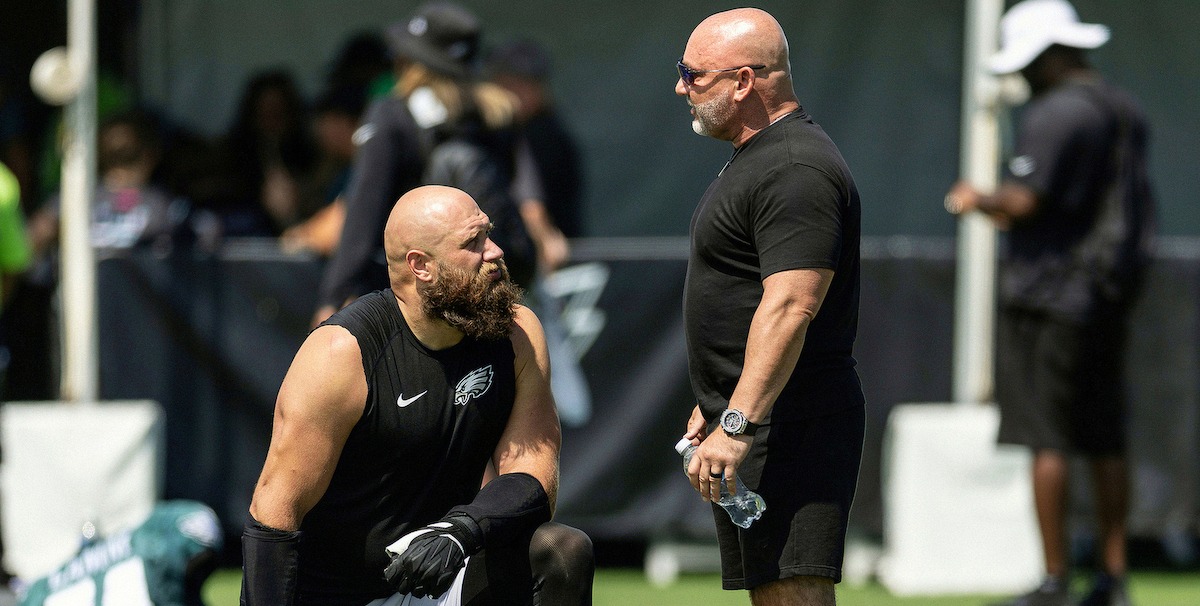


This may sound like the plot to a sitcom, but it’s a fact: My second year in the NFL, I spent the off-season living in Los Angeles with Jay Glazer — the legendary sports broadcaster, MMA trainer, author, and podcaster — and his son, Sammy, who was 11 at the time. Jay’s all of 5’7” — he and his son would joke that it was like living in a house with Gandalf and two Hobbits.
I had moved to LA to train under Jay, who’d become famous by then for his ability to rigorously train athletes to become fighting machines. He was generous enough to let me be the only athlete to move in with him — I think it was something about me being a “country boy” in the big city that made his protective instincts kick in.
Listen to the audio edition here:
While I lived with him, I had a front seat to Jay’s mental health journey; he’s very open about his diagnoses of anxiety, depression, bipolar disorder, OCD-anxiety, and ADHD. I’d see him wake up every morning in what he calls “the gray,” and I’d watch him lean on his closest friends — boldfaced names like former pro footballer and TV host Michael Strahan and Olympic multi-medalist swimmer Michael Phelps, when he was struggling.
But as close as we became as friends, there was one secret I kept even from him — until it was almost too late. It was the fall of 2021, the middle of the Eagles season, when, as I’ve shared before, my anxiety became nearly debilitating. I had to take a break. And just when I thought I couldn’t go on playing, when I considered retiring prematurely, guess who was one of the first people to call me? Jay. “You saw me battling my monsters,” he said. “You can always call on me.”
A bond that’s unbreakable
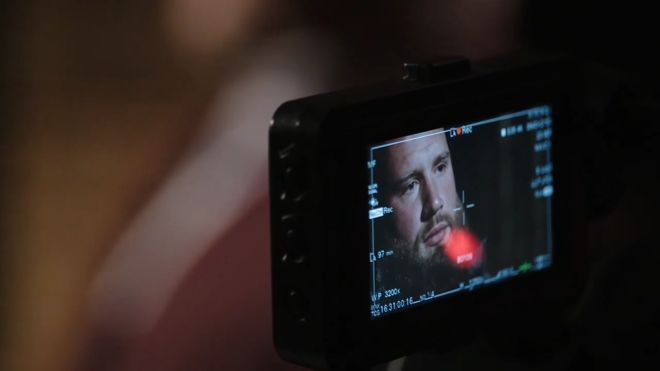
That call, and the calls Jay and I have traded constantly since then, changed our friendship into something so much deeper: brotherhood. (Jay was the first person I was willing to be interviewed by on the air back in 2021; you can watch our conversation here.)
I had spent my entire life thinking that vulnerability was a sign of weakness. That tough athletes never showed their flaws, that I was in competition with every high-performing guy out there, that my achievements could be taken away from me if I exposed my battles.
Jay showed me the opposite. He showed me that being vulnerable is what deeply connects people. He showed me that even the most badass guys out there struggle. He showed me that mental health issues don’t magically go away. They’re something we have to develop healthy tools to cope with every day — and that one of those tools is friendship.
Truly powerful friendships come from having the courage to share your pain — and giving someone the honor of helping you through it.
As we prepare to play LA this weekend, I have been feeling nostalgic for my time with Jay in LA and grateful for all that he’s done to use his platform to help so many people with their mental health. He wrote an awesome book, Unbreakable: How I Turned My Depression and Anxiety Into Motivation and You Can Too. One of the four pillars of his approach is to have a team and lean on your team.
He also has the Unbreakable podcast — you can listen to the episode I was on here — to drive home what he tells professional athletes all the time: that we have to be as proactive about our mental health as we are about building or healing any other muscles. You wouldn’t DIY a broken bone, or torn ACL, he says. So why try to self-treat your mental health?
People who support you
In fact, Jay is often invited to talk to pro teams about mental health, and one thing he points out when he has all the players, coaches, and staff gathered together is that if you look around the room, you have 90 people right there who can be your support, your brothers. And if that’s not enough? There’s no shame in seeing a therapist or a performance specialist, whom he likens to coaches. (Jay proudly has three therapists at any given time, who help him with different things!)
Jay is so candid, so nonjudgmental, that he’s brought together countless athletes from all walks, from coaches like the Rams’ Sean McVay, who we’ll be up against this weekend, to actors like Dwayne “The Rock” Johnson. (You can read more about his list of “battle buddies” here.)
I hope our friendship can be an example to other guys out there that the most powerful friendships don’t end with doing reps at the gym or killing it in the boardroom or doing any other number of typical “guy-friendship” things. Jay likes to tell the athletes he trains that as tough as you should be when you’re fighting on the field or in the cage or in the ring, be the opposite in real life — be vulnerable.
Truly powerful friendships come from having the courage to share your pain — and giving someone the honor of helping you through it. Because that’s another thing Jay has made me think about: We all know it feels good to help a friend — why would we assume our friends wouldn’t want to do the same for us? That is, after all, why I want to help people with this column, why I strive to be there for Jay, and why Jay often encourages guys who are having a tough time to reach out to me. It makes me feel good to help and to pay forward the support so many people have shown me.
So if you’re struggling in any way, please take the first step and tell a friend. I promise you’ll be surprised by their willingness to listen — and I guarantee it will bring you closer.
 READ LANE’S OTHER COLUMNS HERE