



It was a perfectly blue-sky day, and as the sun shone down on the National Constitution Center (NCC), you could hear the unbridled laughter and high-pitched squeals of 3,500 students: They’d descended upon the sprawling campus in Old City in honor of National Constitution Day, September 17.

Prefer the audio version of this story? Listen to this article in CitizenCast below:
“That’s the sound of learning,” said School District of Philadelphia Superintendent William Hite. He was there for the celebration, and for an announcement about a groundbreaking program I think is super cool:
NCC just rolled out an awesome (and, rest assured, totally nonpartisan), free tool called Interactive Constitution: Classroom Edition, that allows classrooms all around the country to interact with each other to discuss Constitutional issues via video chat, with the guidance of judges and master teachers. There are also videos, podcasts, lesson plans and a neat feature called the Drafting Table, which lets students explore early drafts of the Constitutional text.
So, for example, classrooms in Dallas, where we’ll be playing this weekend, can dive into conversations with classrooms right here in Philly. Students can get out of their silos, and be exposed to different viewpoints. It’s just a really cool way to bring the Constitution into the classroom, and connect students to our country’s legislation.
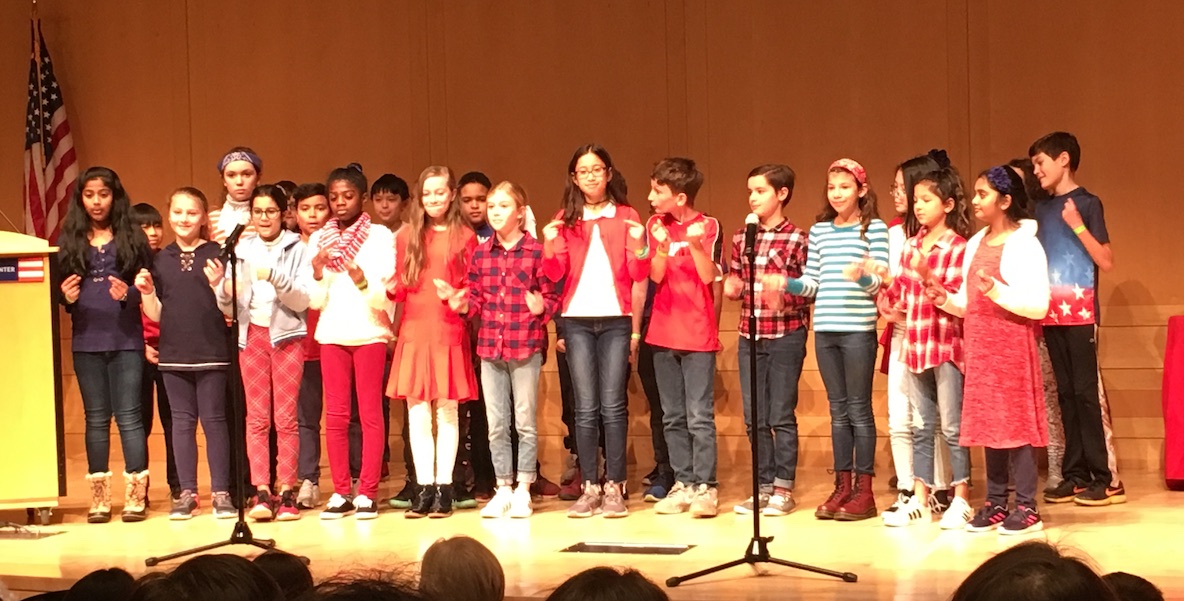
NCC president and CEO Jeffrey Rosen also revealed the launch of the Constitutional Ambassadors program, which will enable tens of thousands of Philadelphia students to attend the Center for intensive workshops about the Constitution, bring what they learn back to their classrooms, and then sign up for these online exchanges. Hite poetically says these ambassadors can be “beacons of light,” and he’s right.
See, anyone who knows me knows that I have no problem questioning or defending rules. But I firmly believe that you can’t just run around yapping without knowing why rules are there, how they came to be, and what their intention is.
And that’s just what this curriculum is designed to do: empower all students, whether they’re in public, private, parochial, charter or home school, with knowledge about the rules that govern our country, so that they can have informed opinions — and be equipped with the tools for thoughtful civil discourse.
And from the locker room to the classroom to the living room or boardroom, what’s more important than that?
Next week we take on Buffalo, and I’ll tell you about a cool program aimed at keeping teachers in the classroom.
PS: If you’ve been paying close attention to our charts, you’ll notice that the numbers for Philly are once again different this time; that’s because, this week, we’re focusing solely on traditional public schools and not charter schools. In Dallas, charters are operated independently, and not as part of the district.

PhiladelphiaEagles |

DallasCowboys |
|
# of students in traditional public schools
128,102 |
# of students in traditional public schools
155,119 |
|
% graduated high school
69 |
% graduated high school
88 |
|
% population with a BA
26 |
% population with a BA
32 |
|
$ per pupil
15,000 |
$ per pupil
8,000 |
|
% students economically disadvantaged
73 |
% students economically disadvantaged
87 |
|
% students of color of
86 |
% students of color of
95 |
|
% teachers of color
33 |
% teachers of color
70 |
|
# students in charter schools
72,337 |
# students in charter schools
34,000 |
|
% special education students
15 |
% special education students
8 |
|
% english language learners
12 |
% english language learners
44 |


















Philly Sources: All from School District of Philadelphia except % with a BA from here, and $ per pupil here.
Dallas Sources: All stats provided by Dallas Independent School District except $ per pupil here. Also, % students of color, teachers of color, economically disadvantaged students, special education students and ELL, are from 2017-2018 (the most recent data they could provide us with), while Philly’s reflect the current school year.